

TRANG TƯỞNG NGUYỆN HUYNH TRƯỞNG CẤP DŨNG LÊ QUANG DẬT; Pháp Danh TÂM HÒA; Hiệu NHƯ QUANG
 Sen Trắng Hoa Kỳ
CÔNG HẠNH CHIÊU THÙY
Một đời đi qua dâu bể — một tấm lòng son
với Nước Non, Đạo Pháp và Tổ chức GĐPT
Cuộc đời của Anh, nếu theo niên biểu mà liệt kê là những tháng năm nối liền nhau giữa quê hương, chiến cuộc, lao tù, biển cả và xứ người. Nhưng cuộc đời đó chỉ là bề nổi. Ở cung bậc sâu hơn, điều còn lại là một trường tâm nguyện đã trải qua gần trọn một thế kỷ mà lòng vẫn giữ được bản nguyện ban đầu.
Sinh trưởng nơi đất Thừa Thiên, giữa một vùng văn hóa mà tiếng chuông chùa, nếp gia phong và khí tiết cố đô đã thấm vào đời sống từ thuở nhỏ, anh sớm bước vào mái nhà Gia Đình Phật Tử khi tuổi đời còn thơ ấu. Được Đại lão Hòa thượng Thích Tịnh Khiết ban pháp danh Tâm Hòa, rồi về sau thọ Bồ-tát giới với hiệu Như Quang, con đường của Ănh dường như đã được định hướng bởi hai điều rất giản dị, hòa để sống giữa tha nhân, minh để tự soi lấy mình. Từ một đoàn sinh nhỏ tuổi đến người Huynh trưởng rồi tuần tự trưởng thành qua nhiều cấp bậc của tổ chức, đời áo Lam của Anh nối dài qua những biến thiên mà một thế hệ phải gánh chịu gần như trọn vẹn.
Tuổi thanh niên của anh đi qua miền Trung trong một thời đất nước vô cùng biến động. Anh từng bước vào đời bằng công vụ, bằng trách nhiệm của một người làm việc trong cơ chế hành chính và công quyền đương thời. Rồi lịch sử đổi dòng. Những gì từng ổn định bỗng trở thành ly tán. Những con đường quen thuộc trở thành những ngả chia lìa. Anh đi qua những năm tháng khắc nghiệt của hậu chiến, trải nhiều nơi giam giữ, mang theo một phần số phận chung của biết bao người Việt Nam trong một thời đại mà lịch sử đã đặt con người trước những thử thách quá sức bình thường. Nhắc lại đoạn đời ấy hôm nay, có lẽ điều đáng nói hơn cả không phải là những địa danh hay thông số, mà là sức chịu đựng âm thầm của một con người đã nhiều lần đứng trước nghịch cảnh mà vẫn giữ cho mình một phương hướng.
Rồi lại một lần ra đi. Từ quê nhà đến biển lớn, từ những ngày lênh đênh giữa phong ba đến đời sống tị nạn Đông Nam Á, cuối cùng định cư tại Hoa Kỳ, hành trình ấy mang hình ảnh của cả một thế hệ bị bật khỏi nền đất cũ nhưng vẫn cố đem theo những gì quý nhất của mình. Với Anh Tâm Hòa Lê Quang Đạt, trong hành trang ấy có chiếc áo Lam. Giữa trại tị nạn, giữa những cộng đồng vừa hình thành nơi đất khách, giữa bao thiếu thốn của buổi đầu lưu xứ, sinh hoạt Gia Đình Phật Tử vẫn được nối lại. Một đơn vị được dựng lên, một lớp Huynh trưởng được dìu dắt, một trại huấn luyện được khai mở — mỗi việc nhỏ đều là một cách giữ cho ngọn lửa thiêng xưa khôntg tắt giữa mùa gió lạ.
Từ những năm đầu định cư tại miền Nam California, cuộc đời anh càng gắn sâu với công cuộc xây dựng GĐPT Việt Nam nơi hải ngoại. Anh từng đảm nhiệm nhiều trách nhiệm từ đơn vị cơ sở cho đến cấp miền, toàn quốc và hải ngoại; từng tham gia trong các Ban Hướng Dẫn, các Hội đồng Huynh trưởng, các khóa tu học và trại huấn luyện… ở vị trí điều hành, giảng huấn, cố vấn, rồi lặng lẽ chuyển dần từ người gánh việc sang người truyền lại kinh nghiệm. Những chức danh, xét đến cùng, đều chỉ là dấu mốc hành chánh. Điều đáng nhớ hơn là suốt nhiều thập niên, khi tóc còn xanh cũng như lúc đã bạc, Anh vẫn xem việc đào tạo thế hệ kế thừa là một phần trách nhiệm của đời mình. Bởi một tổ chức giáo dục không tồn tại nhờ tên tuổi của một người, mà nhờ từng thế hệ biết trao cho thế hệ sau điều mình đã thọ nhận.


Ngoài phạm vi áo Lam, anh còn hiện diện trong nhiều sinh hoạt cộng đồng Phật giáo và cộng đồng người Việt tại Nam Cali, Hoa Kỳ. Ở đó, đồng hương có thể bắt gặp một Huynh trưởng Tâm Hòa Lê Quang Dậtt nhiệt thành với Phật sự của Giáo hội, việc chung của Cộng đồng, quan tâm đến văn hóa, tín ngưỡng và hơn hết là tha thiết với vận mệnh quê hương. Những chọn lựa của một đời người luôn mang dấu ấn của hoàn cảnh lịch sử mà người ấy đã đi qua. Với thế hệ của Anh, quê hương không phải là một ý niệm trừu tượng. Đó là nơi có tổ tiên, gia đình, những con đường thuở nhỏ, tiếng Mẹ, mái chùa và cả những vết thương của một thời chưa thể dễ dàng nguôi. Bởi thế, ở cuối đời, nỗi hướng vọng cố quốc vẫn còn nguyên như một khối tình nặng mang trong ký ức.
Giờ này, không cần phải có một hội trường đông người hay có sự hiện diện của những nhân vật mang chức vụ to tát. Chúng ta chỉ cần tưởng nghĩ đến một người Anh Trưởng già nua, sau hơn tám mươi năm kể từ buổi đầu bước vào mái nhà Lam, vẫn còn mang trong mình niềm tin đối với con đường đã chọn – Con Đường Hoa Sen Trắng. Tám mươi năm ấy dài hơn một đời hoạt động thông thường. Nó đi qua bao lần thay đổi danh xưng, tổ chức, địa lý và thế hệ. Từ quê nhà đến trại tị nạn, từ châu Á sang châu Mỹ. Hình bóng người trẻ năm nào rồi thành bậc trưởng thượng, và đến lúc phải rời hàng ngũ. Bấy giờ, chiếc áo Lam đã thành một phần của thân phận.
Trong truyền thống Phật giáo, tưởng niệm một người vừa khuất không phải để dựng lên một pho tượng toàn bích. Một đời người hẳn có những giới hạn của một đời người; một thời đại cũng để lại trên mỗi chúng ta những dấu vết riêng. Điều đáng trân trọng là giữa vô thường, Anh đã để lại điều gì có thể tiếp tục sinh trưởng nơi thế hệ đàn em. Với Huynh trưởng Tâm Hòa, đó là tấm lòng đối với Tam Bảo, sự thủy chung với lý tưởng giáo dục Gia Đình Phật Tử và một đời kiên trung gìn giữ mối quan tâm đối với Đạo Pháp, Dân Tộc, Tổ chức và thế hệ mai sau.
Ngày anh thuận thế vô thường, thêm một trang của thế hệ tiền bối cũng gấp lại. Những bậc tiền bối cùng thời mỗi năm một thưa dần. Có những câu chuyện rồi sẽ chỉ còn trong ký ức của vài người, có những địa danh rồi người trẻ sẽ phải tìm lại trên bản đồ, nhưng có những gian nan nếu không được kể lại bằng sự điềm tĩnh và chânh thật, mai sau khó lòng hình dung hết. Bởi vậy, tưởng niệm Anh cũng là một hình thức gìn giữ lịch sử — không phải để người sau cúi mình trước quá khứ mà để hiểu rằng, con đường hôm nay đã được mở bằng bước chân của rất nhiều Anh Chị của chúng ta đã từng đi trước, trong đó có Anh.
Một đời gần chín thập niên, từ bờ sông xứ Huế đến những miền đất Trung phần, qua những năm tháng nghiệt ngã, vượt biên rồi dừng chân bên bờ Thái Bình Dương. Đi một vòng rất xa, cuối cùng lòng người vẫn quay về một phương quê cũ. Có lẽ ước nguyện được trở lại cố hương của anh rồi sẽ được hoàn thành theo một cách khác — không nhất thiết bằng bước chân của thân tứ đại, mà bằng tro bụi gửi vào biển lớn, bằng lời nguyện trong tâm, bằng những người con và những thế hệ áo Lam còn nhớ đến tên Anh.
Biển chiều rồi cũng lặng. Mây cuối trời rồi cũng tan. Chỉ những gì đã trao cho người khác mới âm thầm ở lại.
Kính tiễn Huynh trưởng Cấp Dũng Tâm Hòa Lê Quang Dật — hiệu Như Quang.
Một đời đã đi qua nhiều dâu bể. Một chiếc áo Lam đã mặc từ thuở thiếu thời đến lúc tóc bạc phơ. Nay duyên trần tạm mãn, xin nguyện ánh sáng Tam Bảo tiếp dẫn anh về miền tịnh cảnh; và những hạt giống Anh đã gieo trong bao thế hệ Đoàn sinh, Huynh trưởng sẽ còn tiếp tục nảy mầm trên những miền đất Anh từng đặt chân qua.
Nam Mô Tiếp Dẫn Đạo Sư A Di Đà Phật.
Phật lịch 2570 – Livermore, CA 21.09.2026
QUANG NGỘ Đào Duy Hữu
Thư Ký Hội Đồng Huynh Trưởng Cấp Dũng
Ban Hướng Dẫn GĐPT Việt Nam Tại Hải Ngoại;
kiêm Trưởng Ban Hướng Dẫn GĐPT Việt Nam Tại Hoa Kỳ

DI CẢO
- Lửa và Hoa Sen – Bồ Tát Giữa Chúng Ta
- Bổn phận của GĐPTVN-HK đối với GHPGVNTN | The Efforts to Support the Revival of the UBSV
- Bản Hoài Xuất Thế Của Chư Phật – Chánh Pháp Nơi Giang Sơn Nô Lệ
- Ý thức tiếp nối từ Húy nhật Đức Đệ Ngũ Tăng Thống GHPGVNTN
- Đức Trưởng Lão Hòa Thượng Thích Quảng Độ và Di Chúc Tinh Thần
- Tâm Thư nhân Đại Lễ 75 Năm Danh Xưng và 50 năm GĐPT Việt Nam hiện diện tại Hoa Kỳ
- Nghĩ Về Sự Hành Hoạt Của “Hội Đồng Huynh Trưởng Cấp Dũng” – Biểu Tượng Đạo Hạnh Hay Khoảng Trống Pháp Lý
- Tâm Thư Phật Đản của Chủ Tịch Hội Đồng Huynh Trưởng Cấp Dũng GĐPT Việt Nam Tại Hoa Kỳ
- Tâm Thư Chúc Tết – Xuân Bính Ngọ, 2026
- Tâm Thư Nhân Ngày Dũng – Lễ Vía Phật Xuất Gia
- Ru Mềm Bản Ngã | Softly Lulling the Ego
- Tỉnh Thức Và Kỷ Cương – Nền Tảng Gia Phong GĐPT | Mindfulness and Discipline – The Foundational Ethos
- Nhận Thức “Truyền Thống” Trong Thời Đại Toàn Cầu Hóa – Sứ Mệnh Của Huynh Trưởng GĐPTVN Tại Hải Ngoại
- Hội Đồng Cấp Dũng GĐPT Việt Nam Tại Hải Ngoại – Hơi Thở Chánh Niệm Giữa Những Bão Giông Của Tổ Chức
- Nhận thức vai trò Gia Trưởng trong GĐPT | Understanding the Role of the Head of the Family in GĐPT
- Vạn Hạnh III Hải Ngoại, 2025: Từ Ý Chí Cá Nhân Đến Sứ Mệnh Tập Thể
- Phê Bình Như Một Nghệ Thuật Chuyển Hóa
- Huynh Trưởng GĐPT đối với truyền thống An Cư Kiết Hạ | The Role of GĐPT Leaders in the Tradition of Vassa
- Thư Chúc Mừng Đại Hội Huynh Trưởng GĐPT Miền Tố Liên của HĐHT Cấp Dũng GĐPTVN Tại Hoa Kỳ
- Lời Chúc An Gởi Đến Huynh Trưởng Tâm Nhân Nguyễn Thị Cúc

Người vừa nằm xuống cho nghĩa tình Lam khai lộ. Trong lẽ vô thường, sự tiễn biệt ấy bỗng trở thành một pháp duyên để người người còn lại tìm đến nhau bằng hòa kính của Lục Hòa, bằng nhiếp phục và nâng đỡ của Tứ Nhiếp, để mọi dị biệt nơi phương tiện đều lắng xuống trước một nguồn tâm chung. Từ đó, mong rằng Tình Lam hiện diện như một nhịp cầu mềm dẽo mà bền chặt, nối tình huynh đệ với mạch Đạo, nối những nẻo hành trì khác nhau về cùng một chỗ gặp của từ bi, kính ái và phụng sự. Một đời người khép lại, nhưng chính nơi phút phân ly, đạo tình lại chan hòa hơn và nghĩa Lam càng sáng rõ. Còn chung một cội giác, còn biết thương nhau trong từng bước trở về…
NGÀY ANH CÒN VỚI NHÀ LAM
Bộ ảnh lưu niệm những ngày tháng Anh Tâm Hòa còn sinh hoạt với lam viên Hoa Kỳ và Miền Quảng Đức | Ảnh sưa tập từ nhiều nguồn ( còn đang cập nhật)
Đáp ứng nhu cầu quan tâm của lam viên bốn phương, bộ ảnh này được sưu tập và phổ biến mà chưa chọn lọc kỹ lưỡng. Tất nhiên không thể trình bày hết hành trạng của một đời dấng thân vì Đạo, và Dân tộc và GĐPT. Song, ở đây cũng đã đủ lưu lại một dấu ấn sinh động của một hành trạng Áo Lam giữa muôn Áo Lam. Niệm Ân Người ra đi và để lại một di sản không lời, và niệm ân cả những ai còn ở lại, tự nguyện thừa tự, sẵn sàng gánh trên vai và đi tiếp con đường…




THE ENDURING LEGACY OF A LIFE OF VIRTUE AND PRACTICE
A Life Through the Vicissitudes of History
— A Steadfast Heart for the Homeland, the Dharma, and the GĐPT Organization
If the life of our elder brother were to be set down merely as a chronology, it would appear as a succession of years stretching across homeland, war, imprisonment, the open sea, and life in a foreign land. Yet such a chronology would reveal only the surface. At a deeper register, what remains is the continuum of a vow carried through nearly an entire century, while the heart remained faithful to its original aspiration.
Born and raised in Thừa Thiên, amid a cultural landscape where temple bells, family tradition, and the quiet dignity of the ancient imperial capital had entered daily life from childhood, he came to the home of Gia Đình Phật Tử Việt Nam — the Vietnamese Buddhist Youth Association (GĐPTVN) — while still very young. He received the Dharma name Tâm Hòa from the Most Venerable Elder Thích Tịnh Khiết and later, upon receiving the Bodhisattva Precepts, was given the Dharma title Như Quang. His path seems, in retrospect, to have been marked by two simple principles contained within those names: Hòa — harmony in living among others; Minh — clarity by which one continually illumines and examines oneself. From a young Đoàn sinh to a Huynh trưởng, and then through the successive ranks of leadership within the organization, his life in the Grey Shirt continued through nearly every upheaval that his generation was called upon to endure.
His youth unfolded in Central Vietnam during one of the most turbulent periods in the country’s modern history. He entered public life through civil service and through the responsibilities of one working within the administrative and governmental institutions of his time. Then history changed course. What had once appeared settled was suddenly dispersed. Familiar roads became paths of separation. He passed through the harsh years that followed the war, endured imprisonment in various places, and bore within his own life a portion of the fate shared by countless Vietnamese whose generation was confronted by trials far beyond the measure of ordinary human experience. Looking back upon that period today, what deserves remembrance is perhaps less the names of places or the enumeration of dates than the quiet endurance of a person who, again and again, stood before adversity yet never abandoned his inner direction.
Then came another departure. From the homeland to the open sea, from days adrift amid storms to refugee life in Southeast Asia, and finally to resettlement in the United States, his journey bore the image of an entire generation uprooted from its native soil yet determined to carry with it what was most precious. For Huynh trưởng Tâm Hòa Lê Quang Đạt, among those precious things was the Grey Shirt. In refugee camps, within newly formed communities on foreign shores, and amid the privations of the first years of exile, Gia Đình Phật Tử activities were resumed. A unit was established, a generation of Huynh trưởng was guided, a training camp was opened — and each seemingly modest undertaking became a way of ensuring that the sacred flame inherited from earlier generations would not be extinguished by unfamiliar winds.
From the early years of resettlement in Southern California, his life became ever more closely bound to the work of building and sustaining GĐPT Việt Nam in the overseas community. He assumed responsibilities at many levels, from the local unit to regional, national, and overseas structures; he served on Guidance Boards and Councils of Huynh trưởng, and participated in study programs and leadership training camps as an administrator, instructor, adviser, and, in later years, as one who quietly passed his experience on to those who followed. Titles, in the final reckoning, are merely administrative markers. What is more worthy of remembrance is that, over many decades — when his hair was still dark and when it had turned entirely white — he continued to regard the education and formation of succeeding generations as part of his life’s responsibility. For an educational organization does not endure through the prominence of any single person, but through each generation’s willingness to transmit to the next what it has itself received.
Beyond the world of the Grey Shirt, he was also present in many Buddhist and Vietnamese community activities in Southern California and throughout the United States. There, fellow Vietnamese encountered Huynh trưởng Tâm Hòa Lê Quang Đạt as one devoted to the Buddhist affairs of the Sangha, to the common concerns of the community, to culture and spiritual tradition, and, above all, as one deeply concerned with the destiny of his homeland. The choices made over the course of a human life inevitably bear the imprint of the history through which that person has lived. For his generation, the homeland was never an abstract idea. It was the land of ancestors and family, childhood streets, the mother tongue, temple roofs, and also the wounds of an era that could not easily fade. Thus, even near the end of his life, his longing for the old homeland remained intact, a profound affection carried heavily within memory.
At this hour, there need be no crowded hall, nor the presence of eminent figures bearing lofty titles. We need only call to mind an aging elder Huynh trưởng who, more than eighty years after first entering the family of the Grey Shirt, still carried within himself faith in the path he had chosen — the White Lotus Path. Eight decades exceed the span of an ordinary life of organizational service. They passed through changes of name, structure, geography, and generation: from the homeland to refugee camps, from Asia to America. The young figure of earlier years became, with time, a respected elder, until the hour came when he too would leave the ranks. By then, the Grey Shirt had long since become part of his very identity.
Within the Buddhist tradition, to remember one who has just passed from this world is not to erect an image of flawless perfection. Every human life necessarily bears the limitations of a human life, just as every age leaves its own traces upon those who live through it. What deserves our reverence is what, amid impermanence, a person leaves behind that may continue to grow within those who come afterward. In the life of Huynh trưởng Tâm Hòa, these were his devotion to the Three Jewels, his fidelity to the educational ideal of Gia Đình Phật Tử, and a lifetime of steadfast concern for the Dharma, the Nation, the Organization, and the generations yet to come.
As he now follows the course of impermanence, another page belonging to the generation of our predecessors has quietly closed. Those elders who once stood beside him grow fewer with each passing year. Some stories will soon survive only in the memories of a handful of people; some places will one day have to be rediscovered by younger generations on maps. Yet there are trials whose depth the future can scarcely comprehend unless they are retold with calmness and fidelity to truth. To remember him, therefore, is also an act of preserving history — not so that those who come later may bow before the past, but so that they may understand that the road upon which they walk today was opened by the footsteps of many of our elder brothers and sisters who went before them, among whom was he.
Nearly nine decades of life carried him from the riverbanks of Huế through the lands of Central Vietnam, across years of severe hardship, over the sea, and finally to the shores of the Pacific. After so immense a journey, the human heart still turned toward one old direction — the homeland. Perhaps his wish to return to his native land will yet be fulfilled in another way: not necessarily through the footsteps of this body composed of the four elements, but through ashes entrusted to the great sea, through the aspiration preserved within the heart, through his children, and through generations of the Grey Shirt who will continue to remember his name.
The evening sea will eventually grow still.
The clouds at the edge of the sky will eventually dissolve.
Only what we have given to others remains, quietly abiding.
With deepest reverence, we bid farewell to Dũng-rank Huynh trưởng Tâm Hòa Lê Quang Đạt — Dharma title Như Quang.
A lifetime passed through immeasurable vicissitudes. The Grey Shirt was worn from youth until the hair had turned completely white. Now that his worldly affinities have reached their completion, may the light of the Three Jewels guide him toward the Pure Land; and may the seeds he planted in generations of Đoàn sinh and Huynh trưởng continue to take root and flourish across the many lands upon which he once set foot.
Namo Amitābha Buddha, the Guiding Teacher of the Pure Land.
Buddhist Era 2570 — Livermore, California
September 21, 2026
QUANG NGỘ Đào Duy Hữu
Secretary, Council of Dũng-rank Huynh trưởng
Guidance Board of Gia Đình Phật Tử Việt Nam Overseas;
concurrently Chairperson, Guidance Board of Gia Đình Phật Tử Việt Nam in the United States


MỘT ÐỜI XE CHỈ CHO LAM CHẮC BỀN: Chừ xuất gia rồi, chứ vẫn xin sư phụ “cho con đến với gia đình, sư phụ ơi” – Gia đình ở đây là Gia Ðình Phật Tử. Sư cô nguyên là Huynh trưởng Tâm Chánh Phạm Thị Hoài Chân, Trưởng Ban Hướng Dẫn GÐPT Miền Quảng Ðức, kế nhiệm là anh Tâm Hòa Lê Quang Dật (trái), rồi đến anh Tâm Ðăng Nguyễn Văn Pháp (phải). Ba đời Trưởng Ban Miền Quảng Ðức, sắc son một tấm lòng thương yêu đàn em. Hôm nay Chị(Thầy) về đây, chúng em xin kính mừng Chị (Thầy)… Buổi tối tràn ngập niềm hoan hỷ, chị mở quà, run run trao cho hai anh Tâm Hoà và Tâm Ðăng, những chiếc nón len màu chỉ Lam, tự tay Chị đan xe… | December 12, 2016


Anh Tâm Hòa những ngày ở trại tỵ nạn Thái Lan | Ảnh tư liệu


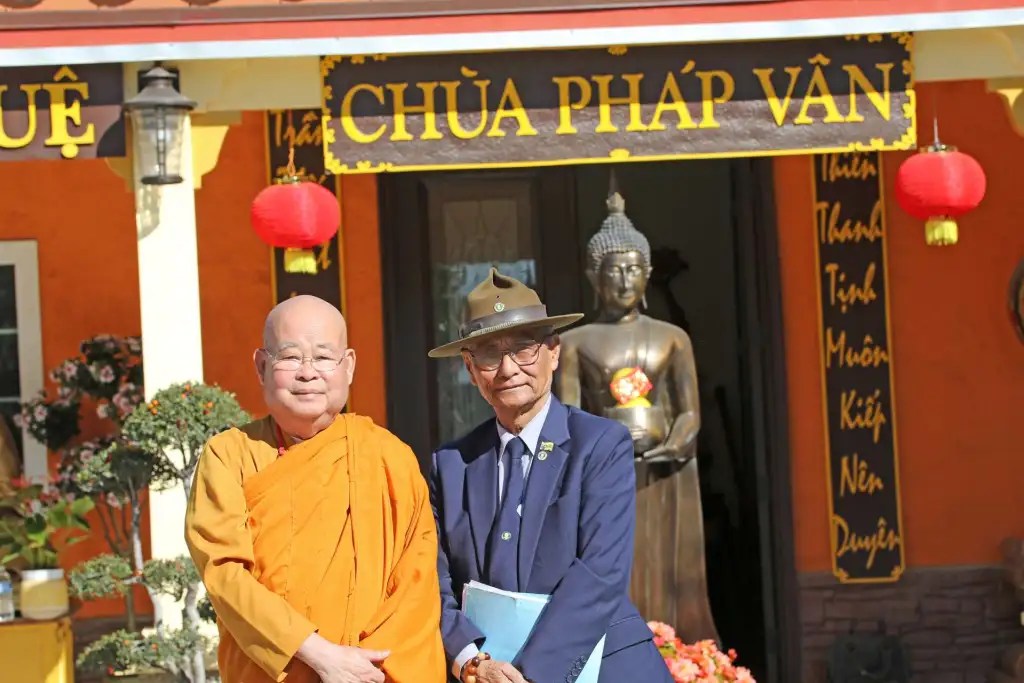
Hòa thượng Thích Từ Lực, và chư Ni xuất thân GĐPT, từ Chùa Phổ Từ, Hayward, miền bắc Cali đến thăm bịnh Huynh trưởng Tâm Hòa Lê Quang Dật. Tháp tùng có nhị vị Huynh trưởng cấp Dũng BHD GĐPT Việt Nam Tại Hoa Kỳ: H.tr Tâm Nhân Nguyễn Thị Cúc, H.tr Nguyên Thuyết Lê Minh Thi và H.tr Trưởng Ban Quang Ngộ Đào Duy Hữu. | Ảnh: Phổ Ái


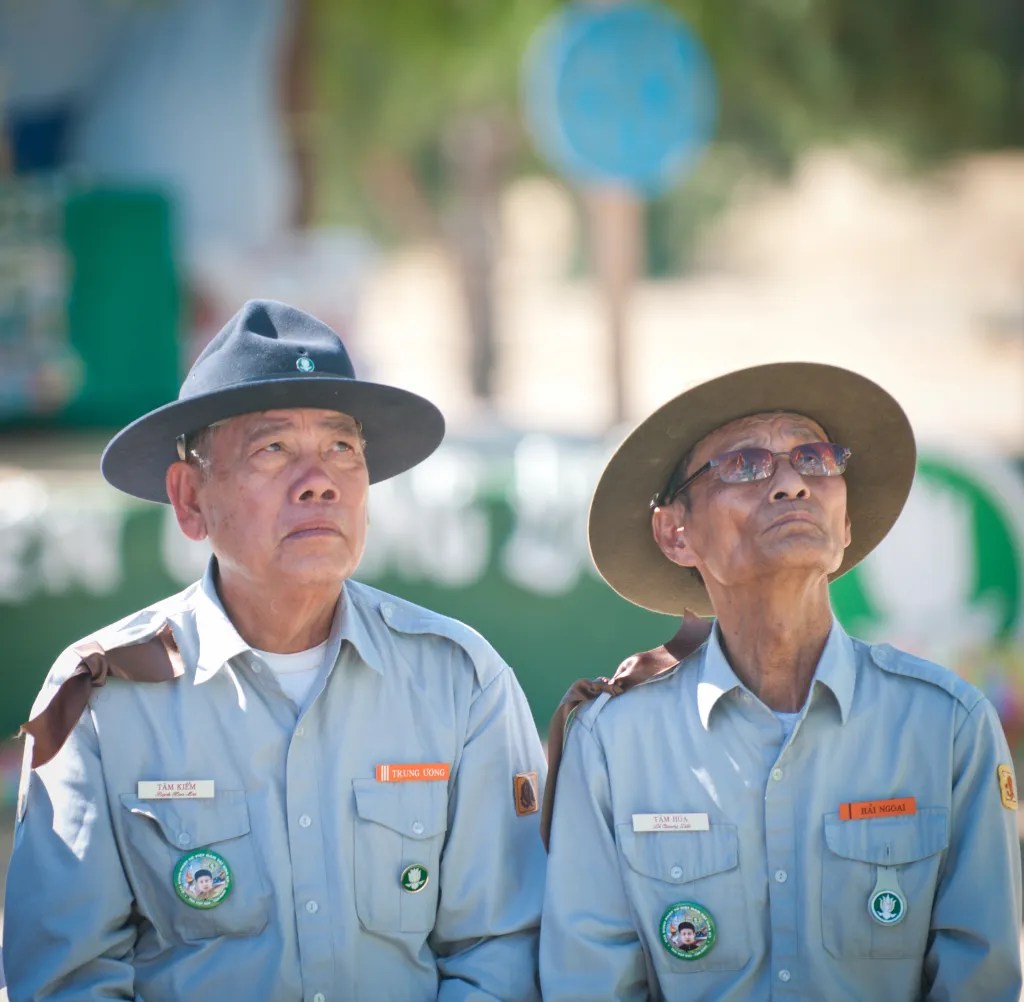
Hình ảnh lưu niệm Huynh Trưởng Tâm Hoà Lê Quang Dật (1937-2026) trong chuyến viến thăm Huynh Trưởng Tâm Vinh Đoàn Văn Lộc (1930-2020) và các Huynh Trưởng nhân kỳ tham dự Đại Hội Huynh Trưởng GĐPTVN tại Hoa Kỳ | Ảnh: Htr Quảng Thọ Đoàn Như Tùng


Anh Tâm Hòa những ngày đầu ngả bệnh. Thăm anh, chuyện bịnh kể ít. Chuyện Nhà Lam vẫn nói nhiều vì canh cánh nặng lòng.
Trong ảnh là Trưởng Nguyên Thuyết Lê Minh Thi vàQuảng Pháp đế thăm Anh. | Ảnh: Phổ Ái
_____________________________
TƯỞNG NIỆM CHƠN LINH
HUYNH TRƯỞNG CẤP DŨNG
TÂM HÒA – LÊ QUANG DẬT
Cuộc đời của anh đã là một bản kinh sống. Huynh trưởng Cấp Dũng Tâm Hòa – Lê Quang Dật là một người như thế.
Anh đến với Áo Lam bằng những bước chân lặng lẽ, kiên trì, bền bỉ, đi qua hết những mùa nắng mưa của cuộc đời. Từ thuở tổ chức GĐPT Hóa Phổ còn phôi thai, anh đã mang trong mình mầm sống của Bi – Trí – Dũng. Mầm ấy lớn lên theo từng biến động của thời cuộc, theo từng đổi thay của xã hội, theo từng thử thách của đời người — nhưng chưa bao giờ bị gió đời làm nghiêng ngả.
Anh sống như một ngọn đèn nhỏ, nhưng sáng bền bỉ. Chỉ âm thầm soi đường cho đàn em, để các em biết thế nào là một người Phật tử chân chính, thế nào là một Huynh trưởng đúng nghĩa.
Và hôm nay, khi anh vừa xả thân tứ đại, chúng ta mới chợt nhận ra: sự bền bỉ của anh chính là khoảng trống lớn nhất trong lòng những người ở lại.
Từ thuở tấp tểnh bước vào đời, khi tổ chức GĐ Phật Hóa Phổ còn phôi thai, anh là một trong những anh chị đã được thai nghén trong tinh thần Bi – Trí – Dũng. Tinh thần ấy không phải chỉ là khẩu hiệu, mà là hành trang anh mang theo suốt cuộc đời, là ngọn lửa âm ỉ trong trái tim anh, cháy mãi đến tận hơi thở cuối cùng.
Một đời đi qua bao thể chế – nhưng lý tưởng Áo Lam không đổi. Anh đã từng trải dài qua những biến động của thời cuộc, những đổi thay của xã hội, những thăng trầm của đời sống tha hương, những thử thách của thời đại mới.
Nhưng chưa một lần anh rời bỏ con đường lý tưởng. Chưa một lần anh để cho nghịch cảnh làm phai màu Áo Lam. Chưa một lần anh để cho thời cuộc làm lung lay niềm tin vào thế hệ đàn em.
Anh sống đúng như lời dạy của chư Tổ: “Thân còn thì đạo còn. Đạo còn thì đàn em còn.” Anh dìu dắt đàn em bằng trái tim của một người anh, một người thầy, một người cha.

Trong mắt đàn em, anh không phải chỉ là một Huynh trưởng. Anh là người đỡ tay cho các em trong những bước đầu chập chững, người đứng phía sau để các em tự tin tiến bước, người lắng nghe khi các em vấp ngã, người khích lệ khi các em chùn chân, người dẫn đường khi các em lạc lối, người khai sơn và khai sinh các đơn vị GĐPT tại quốc nội cũng như ở hải ngoại.
Anh hiểu rằng mục đích của GĐPT là đào tạo thanh thiếu đồng niên trở thành người Phật tử chân chính. Và anh đã sống trọn vẹn với mục đích ấy. Một đời Áo Lam – một đời phụng sự – một đời chính trực. Anh mang Áo Lam như một lời nguyện, anh đến với GĐPT như một lý tưởng, anh làm việc đạo như một hơi thở.
Hôm nay, anh xả thân tứ đại nhẹ nhàng như một chiếc lá rơi về cội – nhưng lý tưởng anh để lại, tấm gương anh để lại, tình thương anh để lại, con đường anh đã đi, tất cả vẫn còn đó, sống trong từng Lam viên, từng buổi sinh hoạt, từng tiếng hát, từng lời kinh, từng bước chân của đàn em.
Anh ra đi, nhưng Áo Lam trong anh không mất. Anh ra đi, nhưng Bi – Trí – Dũng trong anh vẫn sáng. Anh ra đi, nhưng tinh thần Tâm Hòa vẫn ở lại.
Lời tiễn biệt
Kính thưa Chơn linh anh Huynh trưởng Cấp Dũng Tâm Hòa – Lê Quang Dật kính mến,
Anh đã đi hết con đường của một người Áo Lam chân chính. Anh đã sống trọn vẹn với lý tưởng của mình. Anh đã để lại một di sản không phải bằng lời nói, mà bằng cách sống.
Giờ đây, khi anh đã nhẹ nhàng xả thân tứ đại, chúng em tin rằng anh có thể thong dong thỏng tay vào túi (Thập Mục Ngưu Đồ), mỉm cười nơi cõi Tịnh độ, nhìn xuống đàn em tiếp tục bước đi trên con đường mà anh đã dày công vun đắp. Không còn lo toan, không còn gánh nặng, không còn những trách nhiệm mà anh đã mang suốt cả một đời. Chỉ còn sự an nhiên, và một niềm vui lặng lẽ khi thấy lý tưởng Áo Lam vẫn tiếp tục được thắp sáng.
Hôm nay, chúng em – những người ở lại – xin cúi đầu tưởng niệm anh. Không phải bằng nước mắt, mà bằng lời hứa: Tiếp tục con đường anh đã đi. Giữ vững lý tưởng anh đã giữ. Dìu dắt đàn em như anh đã dìu dắt. Sống đúng với Áo Lam như anh đã sống.
Nam Mô Tiếp Dẫn Đạo Sư A Di Đà Phật.
Xin tiễn anh về miền an lạc.
San Jose, CA 21.09.2026
NGUYÊN VINH Nguyễn Ngọc Mùi


Huynh Trưởng cấp Dũng Tâm Hòa Lê Quang Dật, chủ tịch Hộ đồng Huynh trưởng Cấp Dũng và H.Tr cấp Tấn Tâm Tường Lê Đình Cát, Chủ tịch Hộ đồng Huynh trưởng Cấp Tấn BHD GĐPT Việt Nam Tại Hoa Kỳ trong một dịp đến thăm GĐPT Liên Hoa, Garden grove, CA. | Ảnh: Quảng Pháp
_____________________________
Adapted translation: His life was a living sutra.
Senior GĐPT leader Tâm Hòa – Lê Quang Dật devoted nearly a lifetime to the Grey Shirt. From the early days of Gia Đình Phật Hóa Phổ, Compassion, Wisdom, and Courage became not merely ideals, but the measure of his life.
Through upheaval, exile, and change, he remained steadfast. He served quietly, guided younger generations with patience, helped build GĐPT communities in Vietnam and abroad, and taught most powerfully through the way he lived.
He was an elder brother, a teacher, and a guide. He wore the Grey Shirt as a vow, embraced GĐPT as an ideal, and served the Dharma as naturally as breathing.
Today, he has gently returned the four elements. Yet his example remains — in every gathering, every prayer, every song, and every generation that continues the path he helped sustain.
He has departed, but the spirit of the Grey Shirt remains.
Compassion, Wisdom, and Courage still shine.
And the spirit of Tâm Hòa endures.
A Farewell
Beloved Senior Leader Tâm Hòa – Lê Quang Dật,
You have completed the journey of a true GĐPT leader and left behind a legacy written not in words, but in a life of service.
May you now walk in serenity, like the final figure of the Ten Ox-Herding Pictures — free, peaceful, and smiling — while those who remain continue the path you helped illuminate.
We bow in remembrance with a simple vow:
To continue your path.
To uphold your ideal.
To care for those who follow.
To live worthy of the Grey Shirt.
Namo Amitābha Buddha.
May you return peacefully to the Pure Land.
San Jose, California — September 21, 2026
NGUYÊN VINH Nguyễn Ngọc Mùi
 Quang Ngộ Đào Duy Hữu: “Thọ Trường Đạo Quả Chánh Tâm”:
Kính mừng sinh nhật 88 tuổi của Niên Trưởng Tâm Hòa Lê Quang Dật


BHD Miền Quảng Đức tổ chức Tiệc mừng Thọ 88 tuổi của Niên trưởng Tâm Hòa Lê Quang Dật | Ảnh: Diệu Nghiêm Trần Thị Thủy Tiên
MỘT ĐỜI ÁO LAM – MỘT ĐỜI TRAO GỬI
Kính tưởng niệm Anh Tâm Hòa – Lê Quang Dật
Chủ tịch Hội đồng Cấp Dũng Gia Đình Phật Tử Việt Nam tại Hải Ngoại
Chủ tịch Hội đồng Cấp Dũng Gia Đình Phật Tử Việt Nam tại Hoa Kỳ
Nguyên Trưởng Ban Hướng Dẫn Gia Đình Phật Tử Miền Quảng Đức
Cố vấn Gia Đình Phật Tử Việt Nam tại Hoa Kỳ và Miền Quảng Đức
Kính Hương linh Anh Tâm Hòa – Lê Quang Dật,
Hội đồng Huynh trưởng Cấp Tấn Hoa Kỳ,
Gia Đình Phật Tử Việt Nam tại Hoa Kỳ
vừa đón nhận một tin buồn:
Anh Tâm Hòa – Lê Quang Dật đã thuận thế vô thường,
từ biệt cõi tạm vào ngày 19 tháng 9 năm 2026,
nhằm ngày 9 tháng 8 năm Bính Ngọ,
tại thành phố Westminster, California, Hoa Kỳ,
hưởng thượng thọ 90 tuổi.
Sự ra đi của Anh là một mất mát lớn đối với gia đình, thân quyến
và những người từng có duyên gặp gỡ, làm việc, học hỏi và được Anh dìu dắt trên con đường Áo Lam.
Chúng em
Hội đồng Huynh trưởng Cấp Tấn Hoa Kỳ,
Gia Đình Phật Tử Việt Nam tại Hoa Kỳ
Xin tưởng nhớ một người Anh Cả và những giá trị để lại cho thế hệ đàn em
Có những người đi qua cuộc đời chúng ta bằng một thời gian rất dài;
cũng có những người để lại trong lòng chúng ta một dấu ấn không phải bởi những lời nói lớn lao,
mà bởi chính cách họ sống, cách họ phụng sự và cách họ đối xử với những người chung một con đường.
Đối với người Huynh trưởng Gia Đình Phật Tử,
điều đáng quý nhất sau một đời áo Lam có lẽ không phải là những chức vụ đã từng đảm nhận,
cũng không phải những danh xưng từng được trao, mà là những giá trị đã âm thầm được trao lại cho thế hệ sau.
Với Anh Tâm Hòa – Lê Quang Dật,
chúng em hôm nay không chỉ tưởng nhớ một người Anh Cả đã ra đi.
Chúng em còn muốn được nhìn lại một chặng đường mà Anh đã đi qua,
để nhận ra rằng phía sau một cuộc đời phụng sự là biết bao điều đã được gieo xuống:
tình thương, trách nhiệm, sự tận tâm và niềm tin vào con đường Áo Lam.
Anh đã sống trong một thời gian đủ dài để chứng kiến nhiều thế hệ Lam viên trưởng thành.
Những người đi trước rồi trao lại cho Anh.
Anh lại trao lại cho những người đi sau.
Và cứ như thế, Gia Đình Phật Tử được tiếp nối không chỉ bằng con người,
bằng tổ chức hay bằng sinh hoạt, mà bằng những giá trị được truyền từ thế hệ này sang thế hệ khác.
Đó chính là điều chúng em trân trọng khi nhìn lại công hạnh của Anh.
Công hạnh không chỉ nằm ở những điều đã làm
Trong đời một người Huynh trưởng, có những việc mọi người đều nhìn thấy,
nhưng cũng có rất nhiều điều chỉ những người từng đồng hành mới cảm nhận được.
- Một chức vụ có thể được ghi vào hồ sơ.
- Một nhiệm kỳ có thể được ghi vào lịch sử.
- Một thành tích có thể được nhắc lại.
Nhưng tình thương dành cho đàn em,
sự nhẫn nại trong những lúc khó khăn, những lần âm thầm gánh vác việc chung,
những lời khuyên đúng lúc và những tháng năm kiên trì với lý tưởng thì không phải lúc nào cũng có thể ghi thành lời.
Chính những điều tưởng như bình thường ấy lại làm nên chiều sâu của một đời Huynh trưởng.
Bởi phụng sự không phải chỉ là làm những việc lớn.
Phụng sự còn là biết có mặt khi tổ chức cần mình.
- Là biết nhận phần khó về mình.
- Là biết đặt việc chung lên trên những điều riêng tư.
- Là biết giữ gìn tình Lam ngay cả khi có những khác biệt.
Và đôi khi, phụng sự còn là biết lặng lẽ đứng phía sau để thế hệ trẻ có cơ hội bước lên phía trước.
Những điều ấy không ồn ào.
Nhưng chính từ những điều âm thầm ấy mà một thế hệ được hình thành.
Điều Anh để lại không chỉ là một chặng đường.
Chúng em biết rằng mỗi người Huynh trưởng đều có một hoàn cảnh,
một cá tính và một cách phụng sự riêng.
Vì vậy, điều chúng em ghi nhận nơi Anh không phải là một khuôn mẫu để mọi người phải giống nhau.
Điều đáng quý hơn là tinh thần trách nhiệm mà Anh đã dành cho tổ chức trong suốt hành trình của mình.
Anh đã đảm nhận những trọng trách của một người Huynh trưởng đàn anh.
Nhưng phía sau những trọng trách ấy là một điều giản dị hơn nhiều:
Anh đã góp một phần đời mình vào sự tiếp nối của Gia Đình Phật Tử.
Đối với chúng em, đó là điều đáng được biết ơn.
Bởi nếu không có những thế hệ đã đi trước, chúng em hôm nay sẽ không có con đường để tiếp bước.
Nếu không có những người từng chịu khó khăn, từng hy sinh,
từng gìn giữ tổ chức qua những giai đoạn thử thách, thì chiếc áo Lam hôm nay có lẽ đã không thể được trao đến tay chúng em.
Và nếu không có những người như Anh Tâm Hòa cùng nhiều thế hệ Huynh trưởng đàn anh,
những người đã dành một phần đời mình để giữ gìn và trao truyền,
thì thế hệ hôm nay cũng khó có thể hiểu đầy đủ giá trị của hai chữ phụng sự.
Lòng biết ơn của người ở lại
Vì thế, trước sự ra đi của Anh, chúng em không chỉ nói lời thương tiếc.
Chúng em muốn nói một lời biết ơn.
– Biết ơn Anh vì những năm tháng đã dành cho Gia Đình Phật Tử.
– Biết ơn Anh vì những điều Anh đã góp phần xây dựng.
– Biết ơn Anh vì những thế hệ đàn em đã từng nhận được sự hướng dẫn, chia sẻ và tình thương của một người Anh Cả.
Và biết ơn Anh vì qua một đời áo Lam, Anh đã để lại cho chúng em một lời nhắc nhở rất tự nhiên:
Muốn giữ được một lý tưởng, trước hết phải biết sống với lý tưởng ấy.
Một người Huynh trưởng có thể nói rất hay về tình Lam.
Nhưng điều đàn em nhớ lâu hơn chính là cách người Huynh trưởng sống với tình Lam.
Có thể nói rất nhiều về phụng sự.
Nhưng điều còn lại là những gì mình đã thực sự làm cho tổ chức và cho đàn em.
Có thể nói về trách nhiệm.
Nhưng điều quan trọng là mình đã nhận trách nhiệm như thế nào khi không có ai nhìn thấy.
Đó là bài học không cần phải giảng thành lời.
Đó là bài học được truyền bằng chính đời sống.
Từ người đi trước đến người đi sau
Một ngày nào đó, mỗi chúng ta cũng sẽ đến lúc phải trao lại những gì mình đang có.
Trao lại công việc. Trao lại trách nhiệm. Trao lại những kinh nghiệm đã tích lũy…
Và cuối cùng, trao lại chiếc áo Lam cho thế hệ sau.
Điều quan trọng không phải là chúng ta đã giữ một vị trí bao lâu.
Điều quan trọng hơn là trong thời gian được trao giữ vị trí ấy,
chúng ta đã làm gì để người đến sau có thể tiếp bước.
Một thế hệ Huynh trưởng không thể giữ Gia Đình Phật Tử cho riêng mình.
Chúng ta chỉ là những người được trao giữ một ngọn lửa trong một khoảng thời gian nhất định.
Người đi trước trao cho người đi sau.
Người đi sau lại trao cho thế hệ kế tiếp.
Ngọn lửa ấy chỉ thật sự có ý nghĩa khi nó tiếp tục được truyền đi.
Và đó cũng là điều chúng em cảm nhận sâu sắc hơn khi nhìn lại một đời phụng sự của Anh Tâm Hòa.
Tưởng nhớ Anh bằng cách tiếp tục sống
Có lẽ cách chân thành nhất để tưởng nhớ một người Huynh trưởng không phải chỉ là nói về những gì người ấy đã làm.
Mà là tự hỏi:
Chúng ta sẽ làm gì với những gì người ấy đã trao lại?
Nếu Anh và các thế hệ đàn anh đã trao cho chúng ta tình Lam,
chúng ta phải biết giữ gìn tình Lam.
Nếu Anh và các thế hệ đi trước đã trao cho chúng ta tinh thần phụng sự,
chúng ta phải biết tiếp tục phụng sự.
Nếu Anh đã dành một phần đời mình cho đàn em,
chúng ta phải biết thương yêu và trách nhiệm với những người đang được trao vào tay mình.
Và nếu Anh đã đi qua một đời áo Lam bằng sự gắn bó với tổ chức,
thì thế hệ chúng ta hôm nay càng phải biết trân trọng con đường mình đang đi.
Đó mới là sự tiếp nối có ý nghĩa.
Bởi người đi trước không thể sống thay cho người đi sau.
Nhưng người đi trước có thể để lại một ngọn đèn.
Và người đi sau có trách nhiệm giữ cho ánh sáng ấy không tắt.
Một lời tri ân gửi đến Anh
Kính Anh Tâm Hòa,
Hôm nay, chúng em cúi đầu trước sự ra đi của Anh với tất cả lòng kính trọng
và thương quý của những người em trong cùng một gia đình Áo Lam.
Chúng em biết rằng một đời người rồi cũng đến lúc khép lại.
Nhưng những gì được trao bằng tâm huyết và tình thương thì không nhất thiết phải mất đi.
Những điều Anh đã làm, những tình cảm Anh đã trao,
những kinh nghiệm Anh đã chia sẻ và những giá trị Anh đã góp phần gìn giữ sẽ tiếp tục
được nhắc nhớ trong lòng những người từng có duyên đồng hành cùng Anh.
Chúng em xin nhận phần mình trong sự tiếp tục giữ gìn tình Lam
như Anh và những Anh Chị đi trước từng giữ.
Xin được ghi nhận và tri ân những năm tháng Anh đã dành cho Gia Đình Phật Tử.
Xin được trân trọng những gì Anh đã đóng góp,
những gì Anh đã trao truyền và những tình Lam Anh đã để lại cho các thế hệ.
Xin được giữ lại trong lòng hình ảnh một người Anh Cả đã một đời gắn bó
với màu áo Lam, một người Huynh trưởng đã đi qua một chặng đường dài bằng tâm nguyện phụng sự.
Và xin được xem sự ra đi của Anh như một lời nhắc nhở đối với chúng em — những người còn đang tiếp bước:
Hãy sống sao cho khi một ngày chiếc áo Lam được trao lại,
điều còn lại không phải là chức vụ, mà là công hạnh;
không phải là danh xưng, mà là tình thương;
không phải là những gì ta đã giữ cho riêng mình,
mà là những gì ta đã trao lại cho thế hệ mai sau.
Kính Anh,
Một đời Áo Lam.
Một đời phụng sự.
Một đời hy hiến.
Và một đời trọn vẹn tình Lam.
Giờ đây, xin Anh nhẹ bước.
Xin mang theo tình thương của gia đình,
của những người thân yêu và của bao thế hệ Lam viên
đã từng đồng hành cùng Anh trong suốt hành trình nơi cõi tạm.
Nguyện cầu mười phương Chư Phật, Chư Bồ Tát từ bi tiếp độ Hương linh
Anh Tâm Hòa – Lê Quang Dật, soi đường dẫn lối,
gia hộ cho Anh được nhẹ nhàng về nơi an lành, thanh tịnh.
Nguyện cầu Hương linh Anh sớm được siêu sinh về cõi Tịnh.
Kính cẩn nghiêng mình trước Hương linh Anh Tâm Hòa – Lê Quang Dật.
Kính tiễn biệt Anh về Bến Giác.
Nam Mô Tiếp Dẫn Đạo Sư A Di Đà Phật.
Lake Forest, ngày 21 tháng 9 năm 2026
Chiều Thu Bính Ngọ buồn
Huynh trưởng Tâm Tường – Lê Đình Cát
Chủ tịch Hội đồng Huynh trưởng Cấp Tấn
Gia Đình Phật Tử Việt Nam tại Hoa Kỳ

Đêm Lam Vị Giữa Mùa Trăng
Phổ Ái
Đêm 25 tháng 9 năm 2026, thời kinh Di Đà vừa mãn mà khói hương còn quyện nhẹ nơi chánh điện Tịnh Xá Giác An, hơn sáu mươi Huynh trưởng và Đoàn sinh vẫn chưa muốn rời nhau. Một tuần kể từ ngày Huynh trưởng Cấp Dũng Tâm Hòa – Lê Quang Dật thuận thế vô thường, khoảng trống Anh để lại dường như chỉ đến lúc này mới hiện lên thật rõ. Giữa một đạo tràng đông người, đã thấy thiếu đi một người.
Buổi kỳ siêu sơ thất được Ban Hướng Dẫn GĐPT Việt Nam Tại Hoa Kỳ và Ban Hướng Dẫn GĐPT Miền Quảng Đức thiết lễ trong thời gian chuẩn bị rất ngắn, nhưng đã trở thành một cuộc hội ngộ của tình Lam. Từ nhiều nơi tại California, anh chị em cùng trở về, có người vượt hơn hai giờ đường từ San Diego chỉ để kịp thắp một nén tâm hương. Những khuôn mặt cao niên như niên Trưởng Nguyên Cần Dung Kiều, Minh Quang Lê Thẩm, Tuệ Linh Nguyễn Công Sản, quý anh chị thuộc Đoàn Cựu Huynh Trưởng, cùng nhiều thế hệ Lam viên hiện diện bên nhau. Đặc biệt, Huynh trưởng Thị Nghĩa Trần Trung Đạo, phụ tá Văn Phòng Tổng Vụ Thanh Niên từ miền Bắc Hoa Kỳ xa xôi cũng về dự lễ, khiến gian chánh điện giữa một đêm thường nhật bỗng ấm lên bằng một thứ tình cảm rất khó định danh, chỉ những người đã sống lâu năm với màu áo ấy mới hiểu hết hai chữ Lam vị.
Với sự hoan hỷ của vị trú trì, lễ sơ thất được cử hành trang nghiêm trong chánh điện. Chư vị xuất gia hiện diện cùng đại chúng, là những Chư vị vốn từng trưởng thành từ mái nhà Lam. Bởi thế, giữa tiếng kinh và ánh đèn Phật điện, ranh giới của hình thức dường như tự lắng xuống. Người xuất gia, người tại gia, bậc trưởng thượng, đàn em — tất cả cùng nhất tâm, nhất niệm, hướng về người vừa khuất. Không cần một lời diễn giải nào về hòa kính, buổi lễ tự đã nói lên tinh thần ấy, Anh-Chị-Em dẫu có khác nơi hành trì mà chung nguồn quy hướng. Khác phận sự mà cùng một tâm nguyện phụng sự.
Đó chính là ý nghĩa sâu xa nhất của đêm sơ thất hôm nay. Một người vừa nằm xuống, những bàn tay tưởng đã xa nhau lại tìm về nắm lấy nhau. Vòng dây Lam vô hình nối những thế hệ, những miền đất, những bước đường phụng sự; để giữa vô thường, Lục Hòa không còn là một danh mục giáo nghĩa, Tứ Nhiếp cũng chẳng còn là lời giảng trên trang sách mà trở thành sự có mặt, sự lắng nghe, ái ngữ và đồng sự trong một đêm cùng nhau tưởng niệm. Từ một nén hương cho người quá vãng, nghĩa Lam tìm thấy nguồn Đạo, nhẹ mà sâu, lắng mà bền.
Sau khóa lễ, mọi người ngồi lại bên trà và bánh Trung thu. Mùa trăng đã đến, nhưng chén trà đêm ấy dường như nhạt hơn một chút. Trên án thờ, di ảnh Anh Tâm Hòa vẫn mang nụ cười quen thuộc; làn hương mỏng đi qua ánh đèn, để lại một khoảng tịch nhiên giữa những câu chuyện đang nói dở. Mọi người nhắc Anh, nhớ Anh, rồi đôi khi lặng im. Một vài giọt lệ chực rơi. Bởi phải đến khi ngồi cạnh nhau trong mùa Trung thu đầu tiên thiếu vắng, mọi người mới cảm được đầy đủ rằng từ nay trong những cuộc hội ngộ của Nhà Lam Hoa Kỳ sẽ vắng một nụ cười, một dáng người đã từng đi qua biết bao năm tháng thịnh suy cùng tổ chức.
Một vài niên trưởng vì duyên sự không thể trực tiếp về dự lễ cũng gửi lời, nhờ chuyển tâm niệm cầu nguyện. Sự hiện diện của thân quyến Anh càng làm cho buổi tưởng niệm mang thêm hơi ấm gia đình. Người thân và người Áo Lam, trong phút ấy, không còn đứng ở hai phía của một cuộc tiễn đưa, tất cả cùng chung một nỗi niềm trước sự mong manh đời người.
Sơ thất đã khép lại. Bảy tuần thất vẫn còn phía trước. Nhưng từ đêm nay, điều lưu lại không riêng là nỗi buồn tiễn biệt. Đó còn là một lời nhắc âm thầm về sức sống của một cộng đồng trải qua bao phong ba có thể làm con thuyền nghiêng, sóng ngầm đôi lúc khiến lòng người dao động, nhưng khi một người Anh nằm xuống, những bàn tay Lam vẫn biết tìm đến nhau.
Khói hương rồi sẽ tan. Trăng mùa này rồi cũng khuyết. Chỉ mong cái tình đã kết thành nghĩa, cái nghĩa đã thấm vào Đạo sẽ còn ở lại miên viễn.
Và, ở một miền tịch tĩnh nào đó, Anh Tâm Hòa đang nhìn đàn em bằng nụ cười trên di ảnh đêm nay — nụ cười như muốn nhắn nhủ, người có thể đi xa nhưng một đời Lam đã trao cho nhau thì chẳng dễ gì ly biệt.
Phật lịch 2570 – Garden Grove, CA 25.09.2026
PHỔ ÁI Trần Anh Hoài Thương
 Lễ Kỳ siêu thất đầu của Cố Huynh Trưởng Tâm Hòa Lê Quang Dật
tại Tịnh Xá Giác An, Garden Grove, CA ngày 25 tháng 09 năm 2026
A NIGHT OF LAM SPIRIT BENEATH THE AUTUMN MOON
On the evening of September 25, 2026, the chanting of the Amitābha Sutra had just come to a close, yet incense still drifted softly through the main hall of Giác An Vihāra. More than sixty Huynh Trưởng and youth members lingered, reluctant to part. A week had passed since Senior Leader Tâm Hòa – Lê Quang Dật, a Huynh Trưởng of the Dũng rank, had yielded to impermanence, and only now did the emptiness left by his absence seem fully revealed. In the midst of a hall filled with people, one could already feel that someone was missing.
The first-seventh-day memorial service was arranged by the Board of Directors of the Vietnamese Buddhist Youth Association in the United States and the Quảng Đức Regional Board within a very short time, yet it became a deeply moving gathering of Lam fellowship. From many parts of California, brothers and sisters returned; some drove more than two hours from San Diego simply to arrive in time to offer a stick of incense. Among those present were respected senior members such as Nguyên Cần Dung Kiều, Minh Quang Lê Thẩm, Tuệ Linh Nguyễn Công Sản, members of the Former Huynh Trưởng Association, and generations of Lam members gathered side by side. Especially meaningful was the presence of Huynh Trưởng Thị Nghĩa Trần Trung Đạo, Assistant to the Office of the General Youth Affairs Department, who traveled from the distant northern United States to attend. His presence, together with that of so many others, seemed to warm the shrine hall on an ordinary weekday evening with a feeling difficult to name—one perhaps understood most fully by those who have long lived beneath the color of the Grey shirt: the quiet savor of Lam, the Lam spirit.
With the gracious consent of the resident monastic, the first-week memorial was solemnly conducted in the main hall. Monastics joined the assembly, among them venerable practitioners who themselves had once grown within the Lam family. Thus, amid the cadence of sutra chanting and the serene glow of the Buddha hall, formal distinctions seemed naturally to soften. Monastic and lay practitioner, elder and younger member—all gathered in one mind and one aspiration, directing their thoughts toward the one who had just departed. No discourse on harmony was needed; the ceremony itself embodied it. Brothers and sisters might follow different paths of practice, yet they returned to a common source. Their responsibilities might differ, yet their aspiration to serve remained one.
There, perhaps, lay the deepest meaning of that first-week gathering. One person had just passed from sight, and hands that may have grown distant reached once more for one another. An invisible Lam bond joined generations, regions, and paths of service. In the face of impermanence, the Six Principles of Harmony ceased to be a doctrinal list, and the Four Embracing Virtues were no longer teachings resting upon a page; they became presence, listening, loving speech, and shared action in one evening of remembrance. From a single offering of incense for one who had passed, Lam fellowship found its way back to the wellspring of the Dharma—gentle yet profound, quiet yet enduring.
After the service, everyone remained together over tea and mooncakes. The Mid-Autumn season had arrived, yet the tea that evening seemed somehow less fragrant. Upon the memorial altar, Brother Tâm Hòa’s portrait still held the familiar smile. A thin ribbon of incense passed through the lamplight, leaving a stillness between conversations left unfinished. People spoke of him, remembered him, and then from time to time fell silent. A few tears hovered close. Only while sitting together through this first Mid-Autumn season in his absence did everyone begin to feel the fullness of what had changed: from now on, at gatherings of the Lam family in America, one smile would be missing, one familiar figure who had journeyed with the organization through so many seasons of flourishing and adversity.
Several senior members who, because of circumstances, could not attend in person sent their words and entrusted their prayers to the assembly. The presence of members of his family brought an added warmth of kinship to the memorial. In that moment, family and Lam brothers and sisters no longer stood on separate sides of a farewell. All shared the same quiet sorrow before the fragility of human life.
The first seventh day has now passed. The remaining weeks of the forty-nine-day observance still lie ahead. Yet what remained from that evening was more than the sorrow of parting. It was also a quiet reminder of the strength of a community that has weathered many storms. Winds may cause the Lam vessel to tilt; unseen currents may at times unsettle the heart. But when an elder brother lies down for his final rest, Lam hands still know how to reach for one another.
Incense will fade. This season’s moon will wane. May the affection that has ripened into sacred fellowship, and the fellowship that has entered the Dharma, abide beyond the passing of time.
And somewhere, perhaps, in a realm of profound stillness, Brother Tâm Hòa is looking upon his younger brothers and sisters with the same smile seen in his portrait tonight—a smile that seems to whisper: one may journey far away, but a lifetime of Lam fellowship once given to one another is not so easily parted.
Buddhist Era 2570 – Garden Grove, California, September 25, 2026
PHỔ ÁI Trần Anh Hoài Thương
Lễ Kỳ siêu thất đầu của Cố Huynh Trưởng Tâm Hòa Lê Quang Dật
tại Tịnh Xá Giác An, Garden Grove, CA ngày 25 tháng 09 năm 2026
Ảnh: Minh Tánh Hồ Khắc Hoàng Chánh


_____________________________
(Đang cập nhật)


2 thoughts on “TRANG TƯỞNG NGUYỆN HUYNH TRƯỞNG CẤP DŨNG LÊ QUANG DẬT; Pháp Danh TÂM HÒA; Hiệu NHƯ QUANG”