Sen Trắng Hoa Kỳ

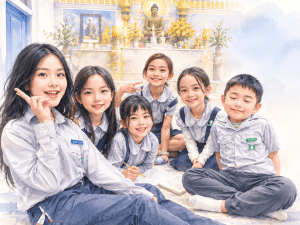
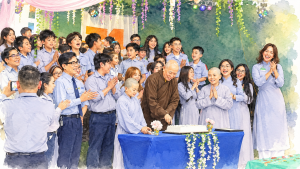
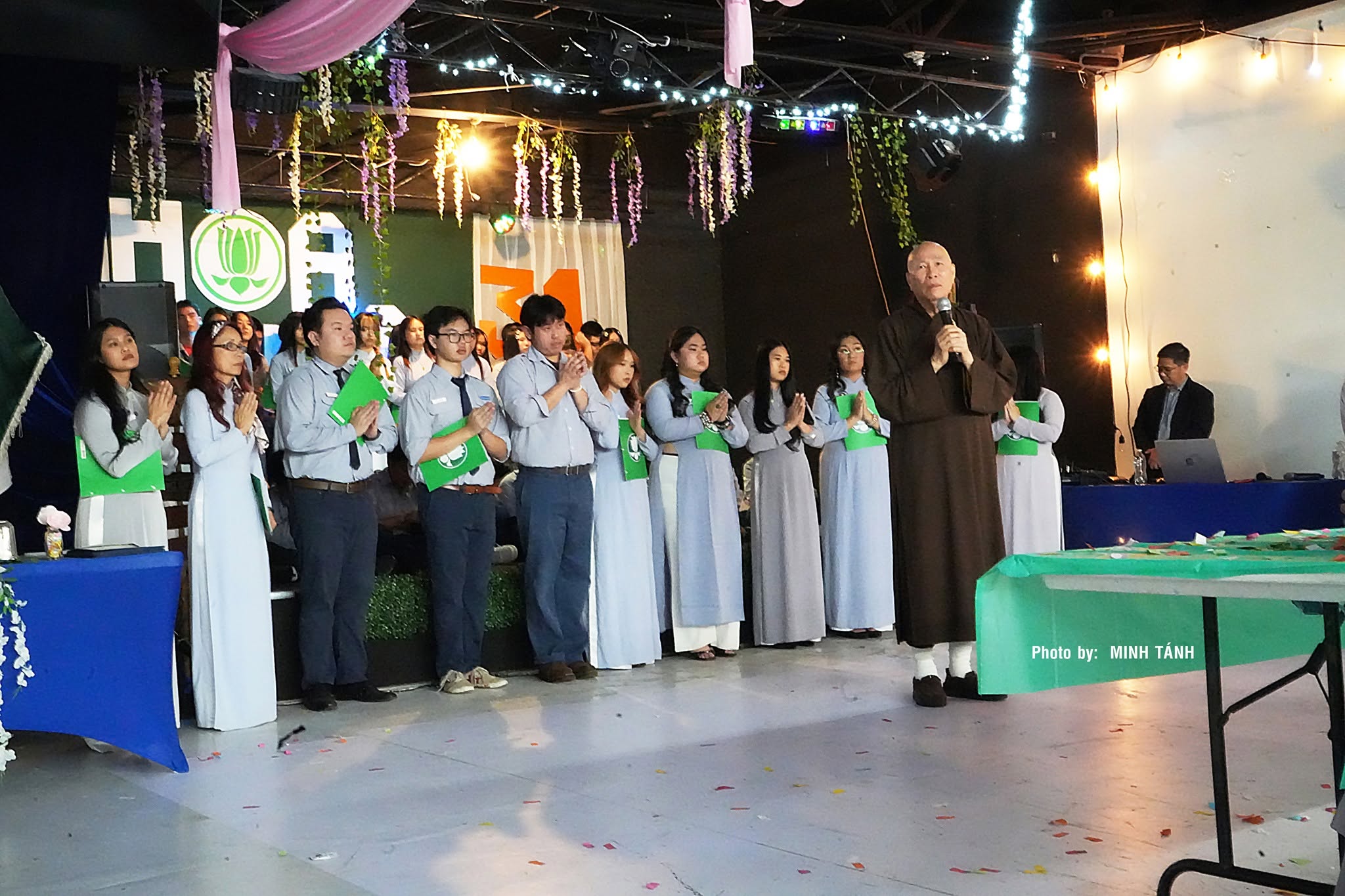
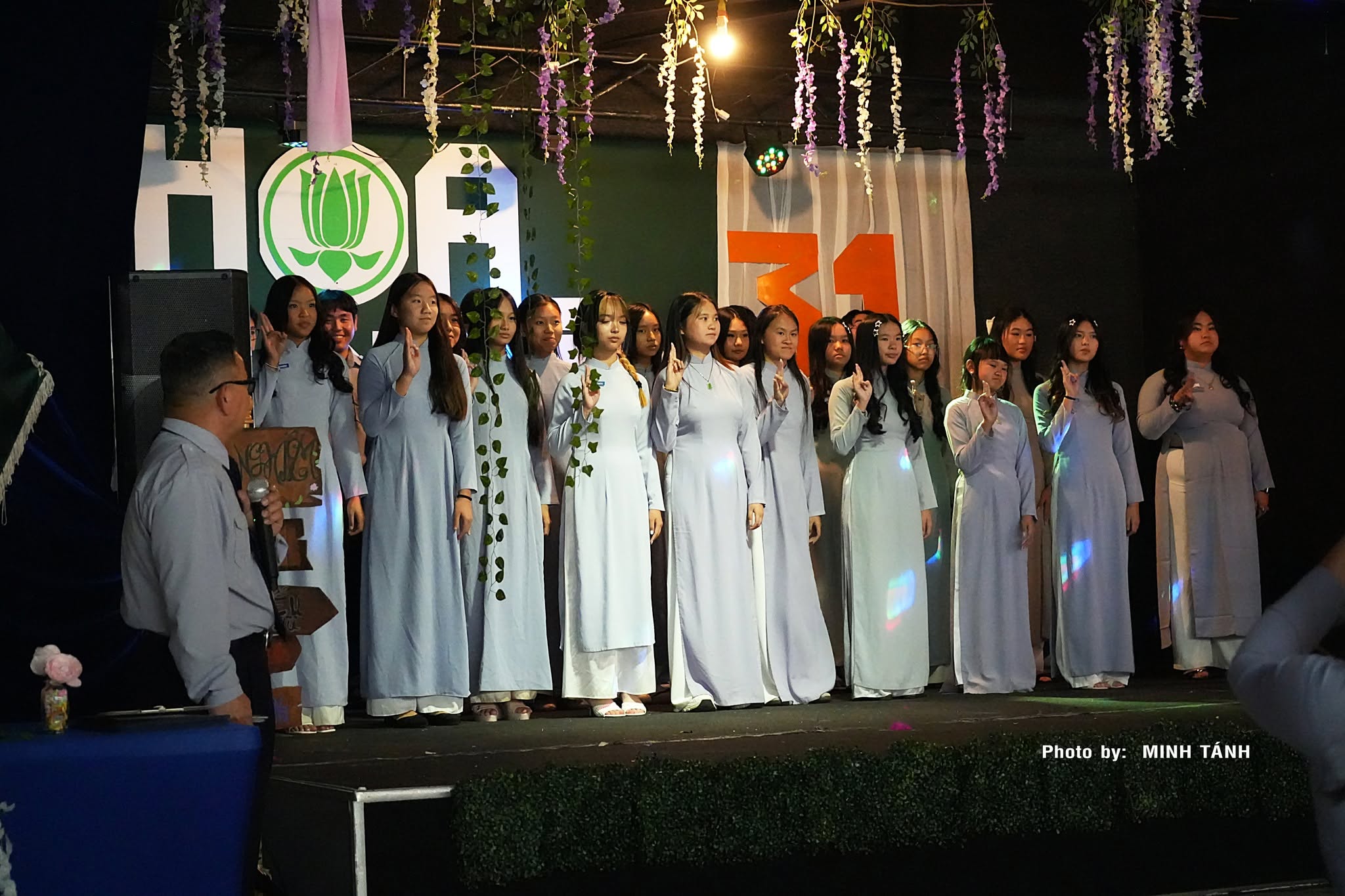
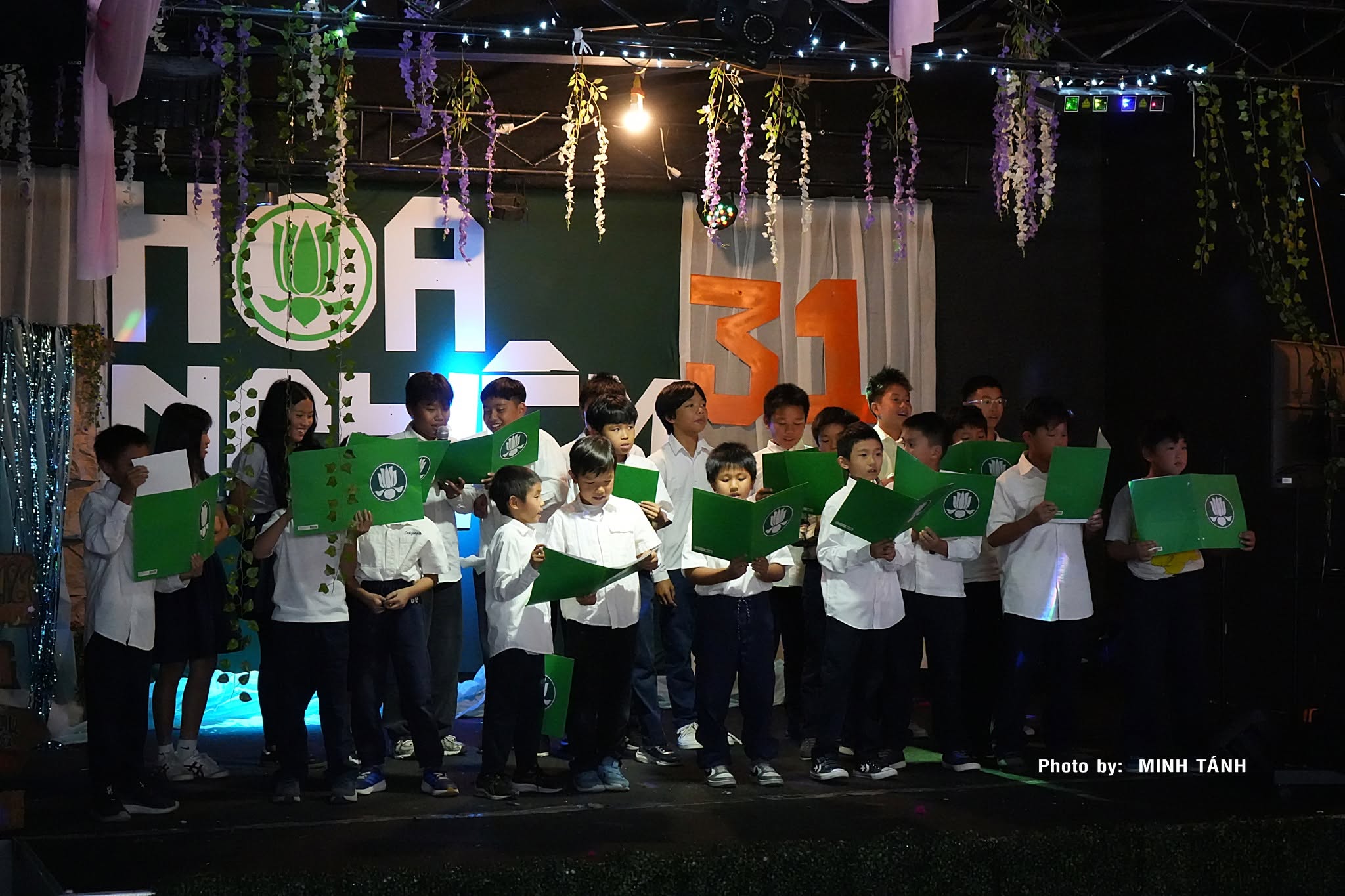
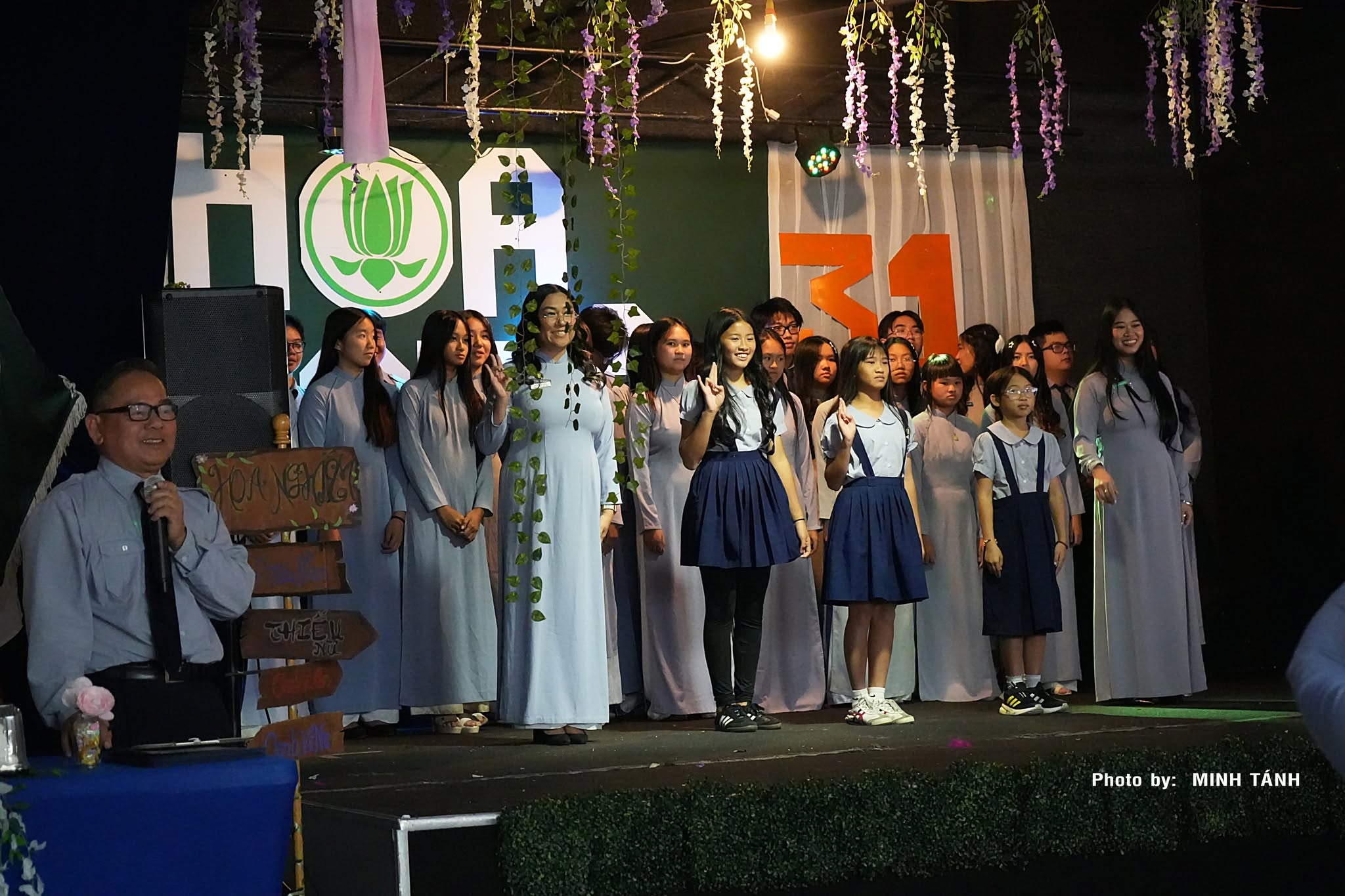
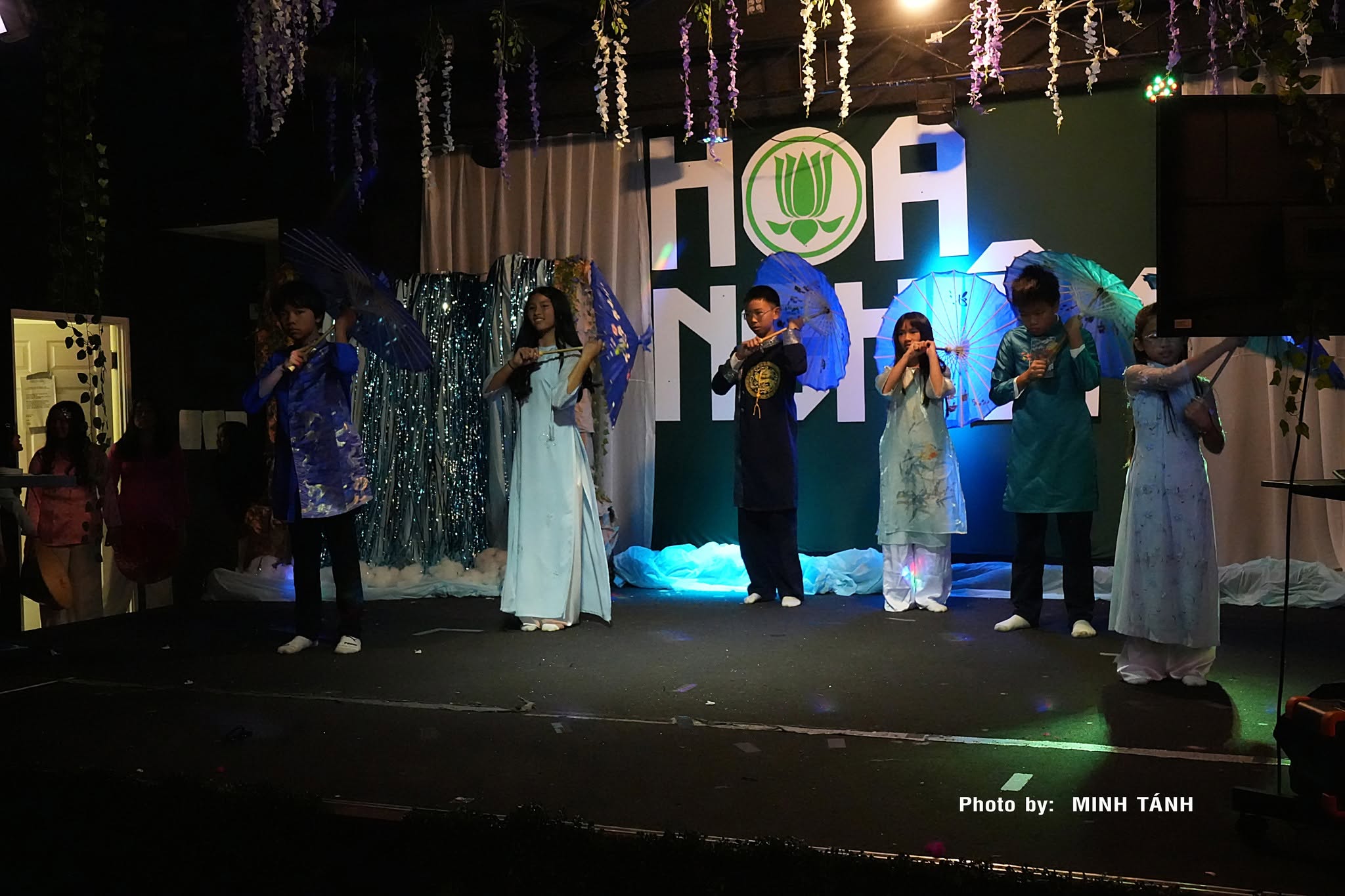
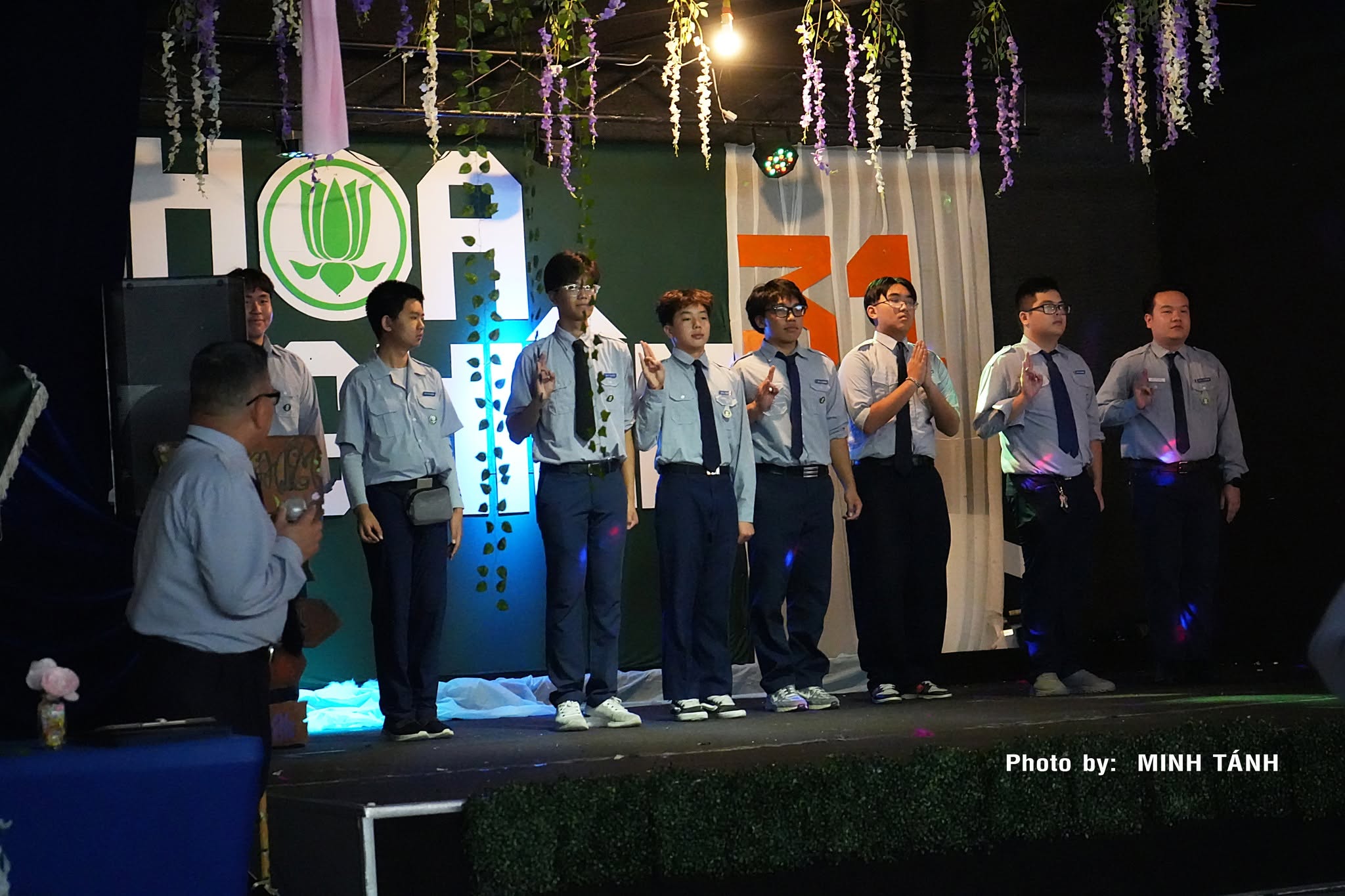
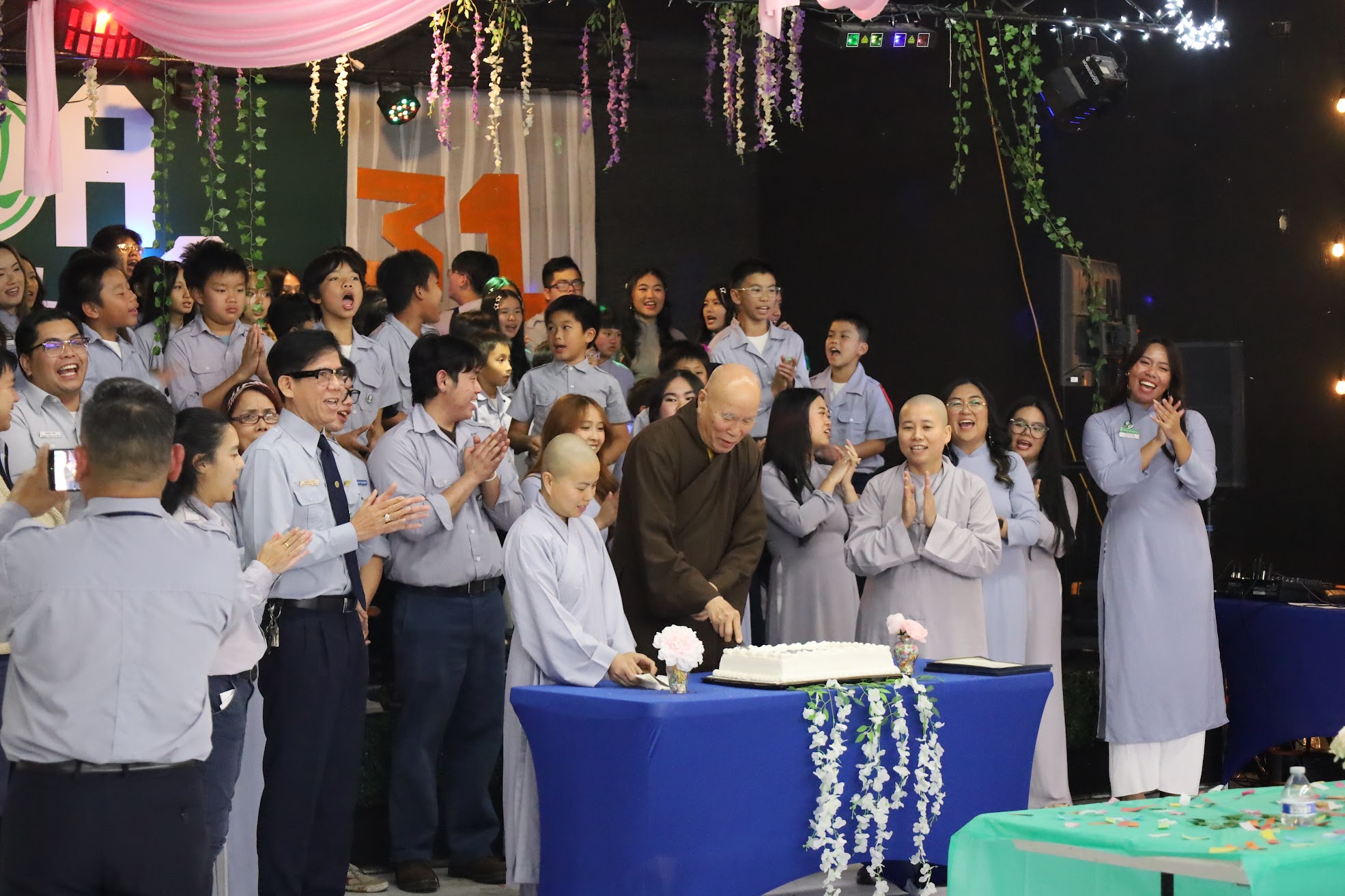
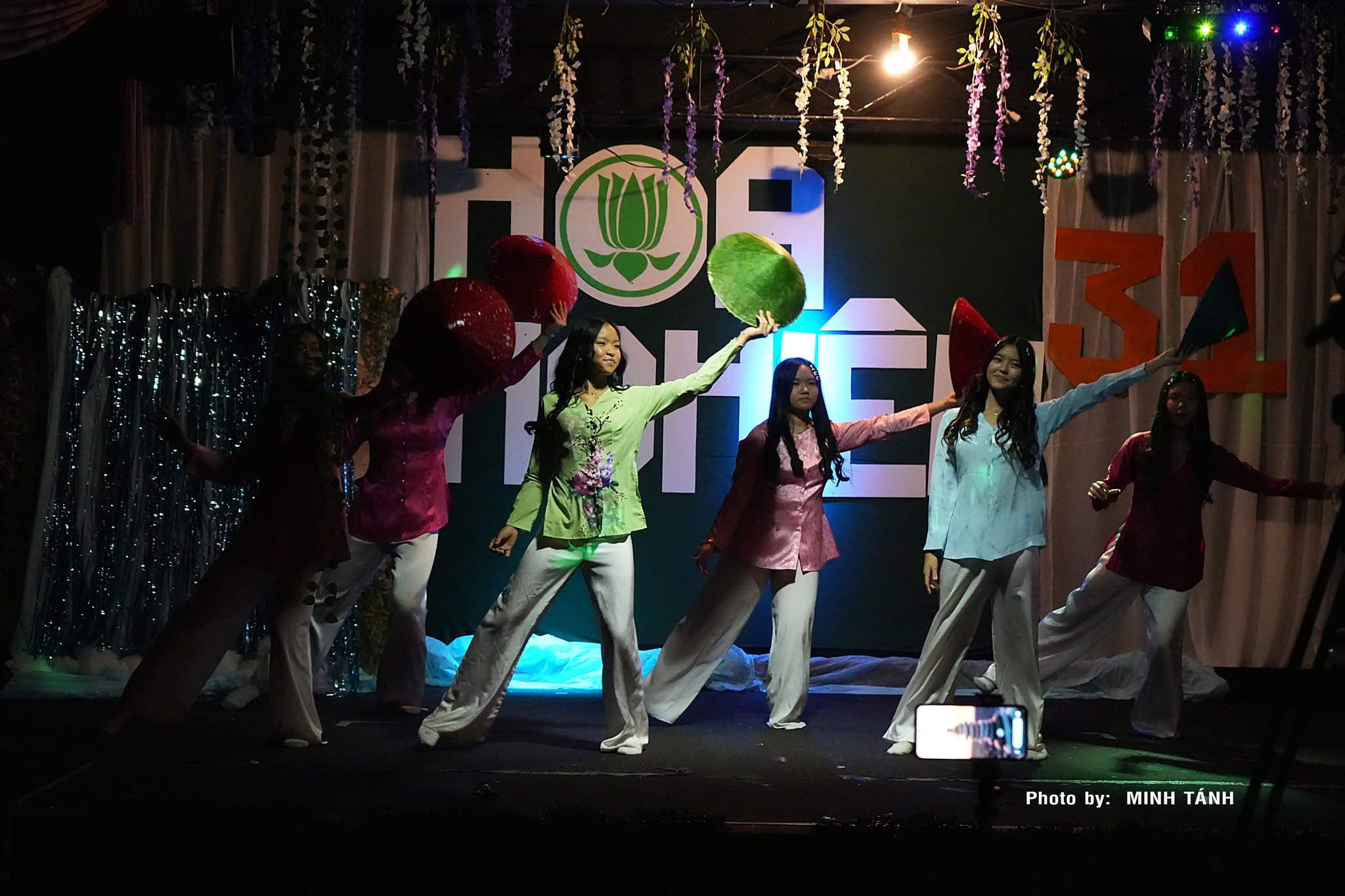
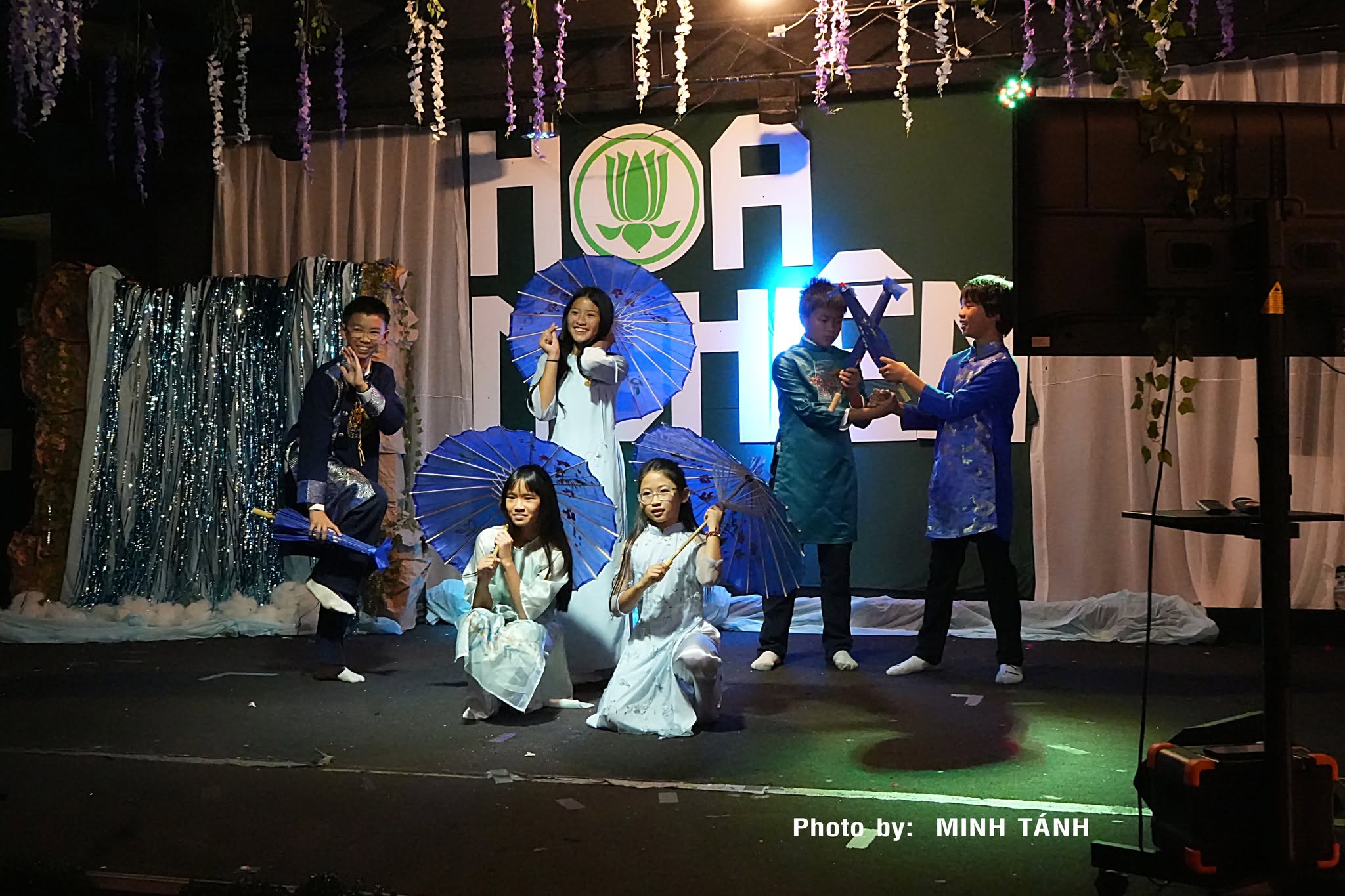
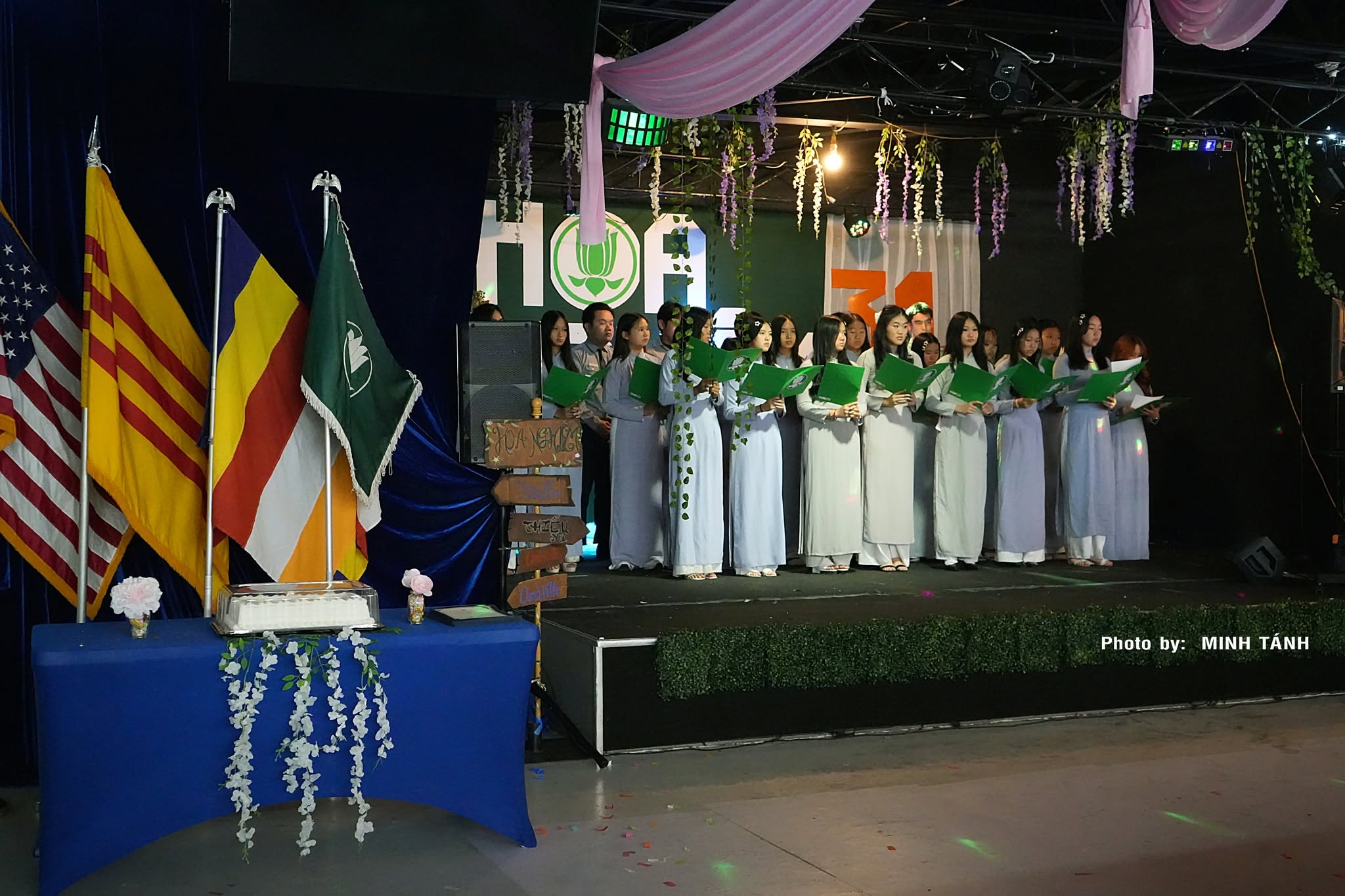
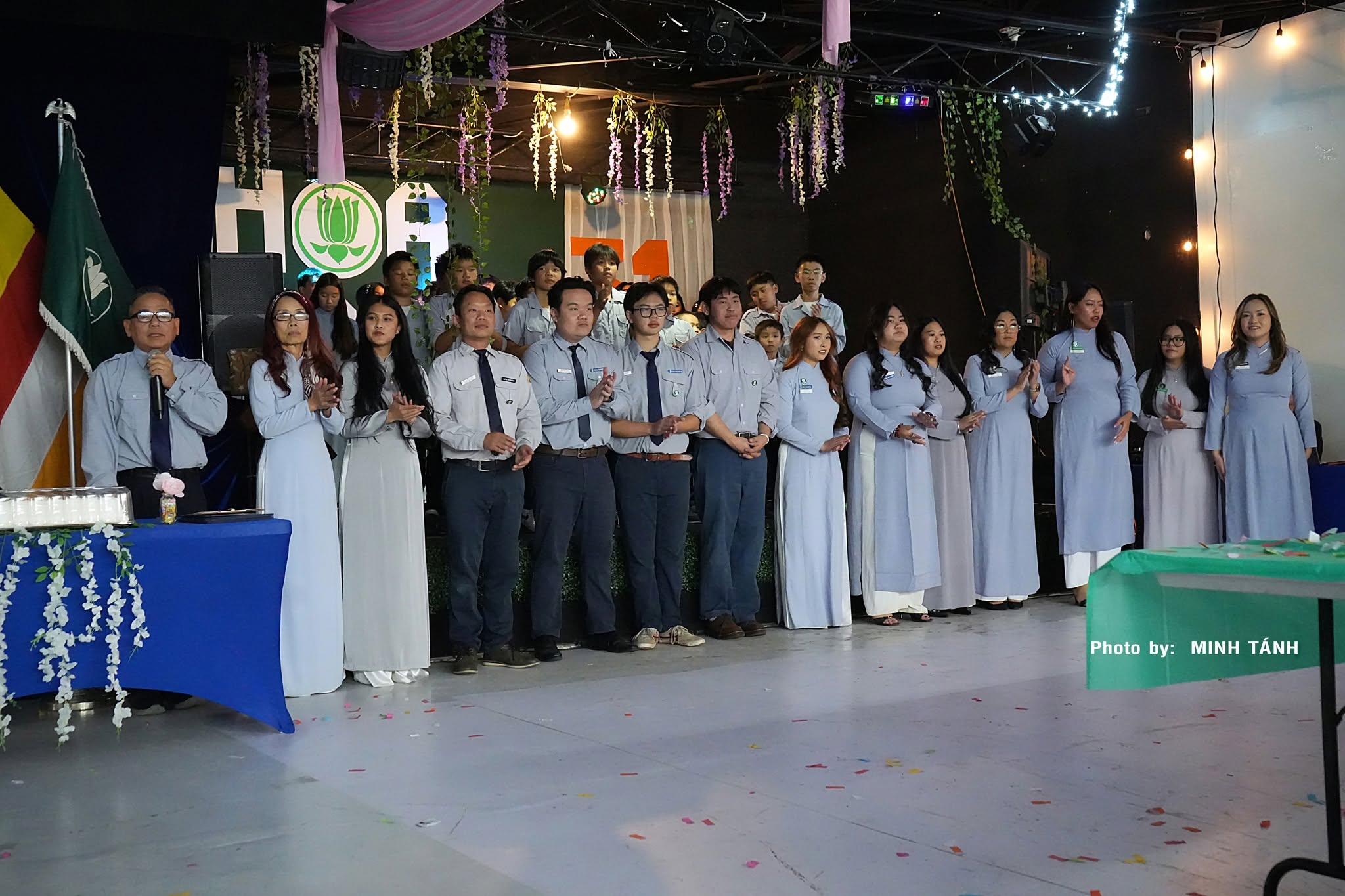
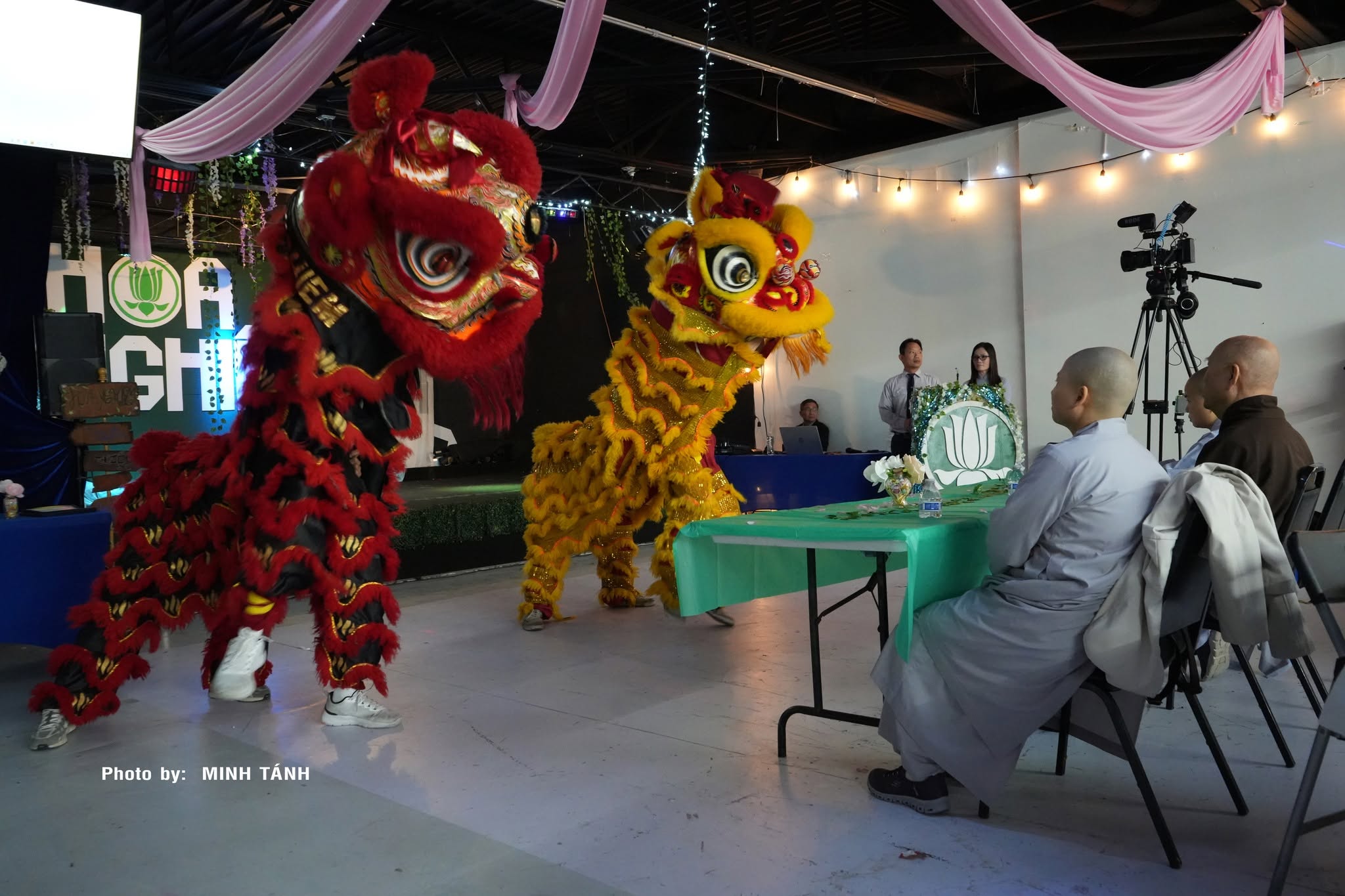
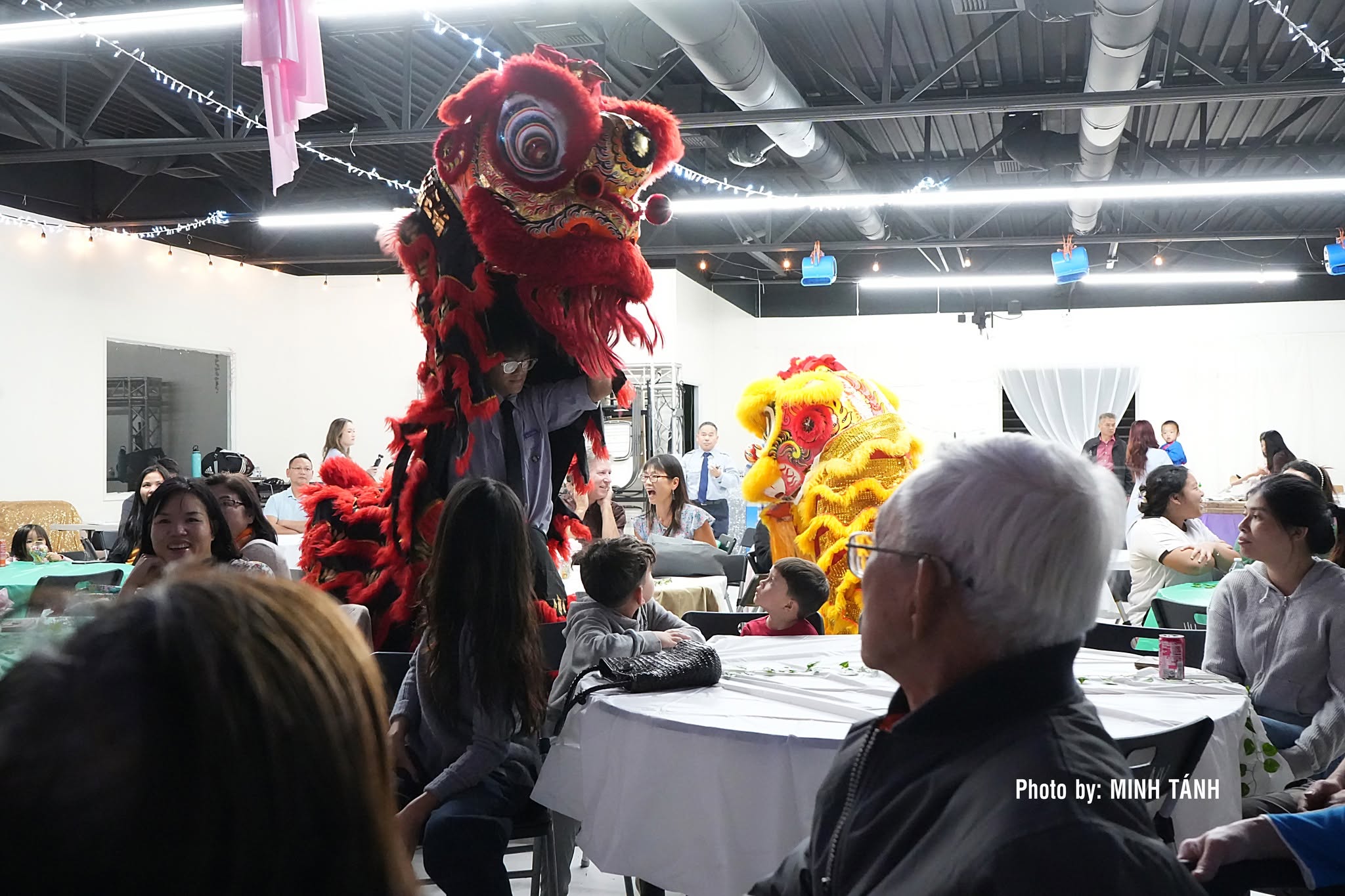
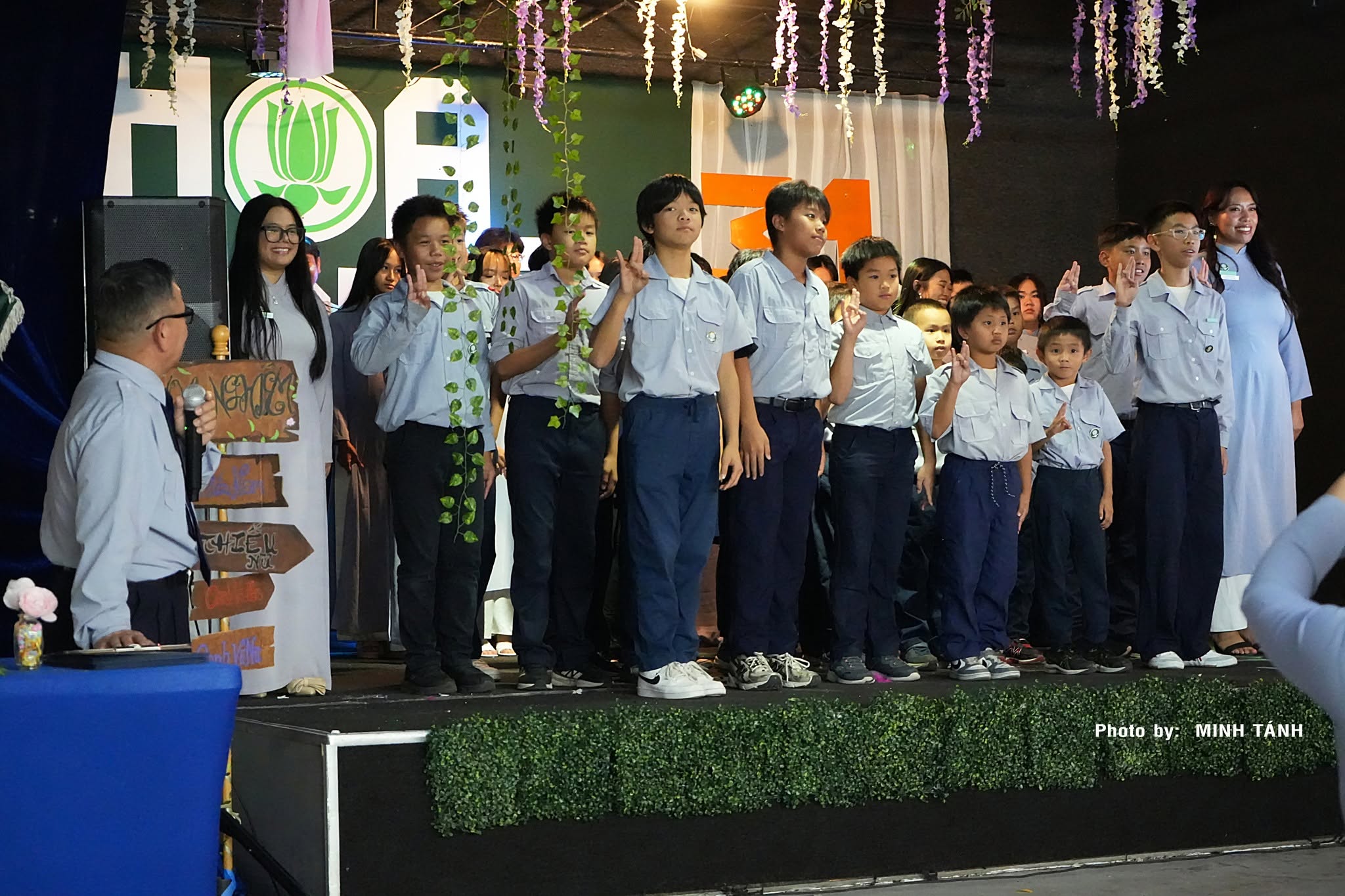
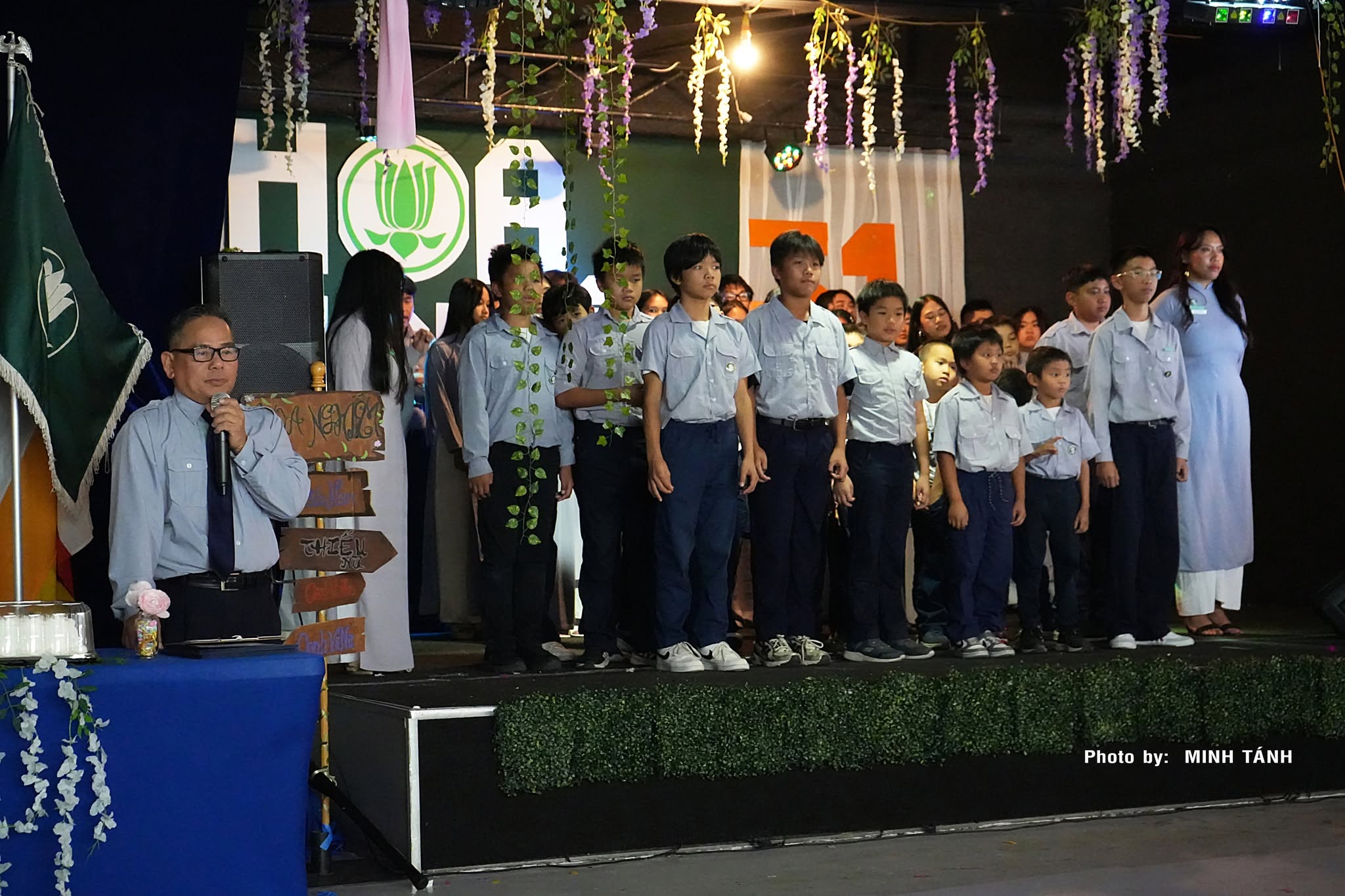
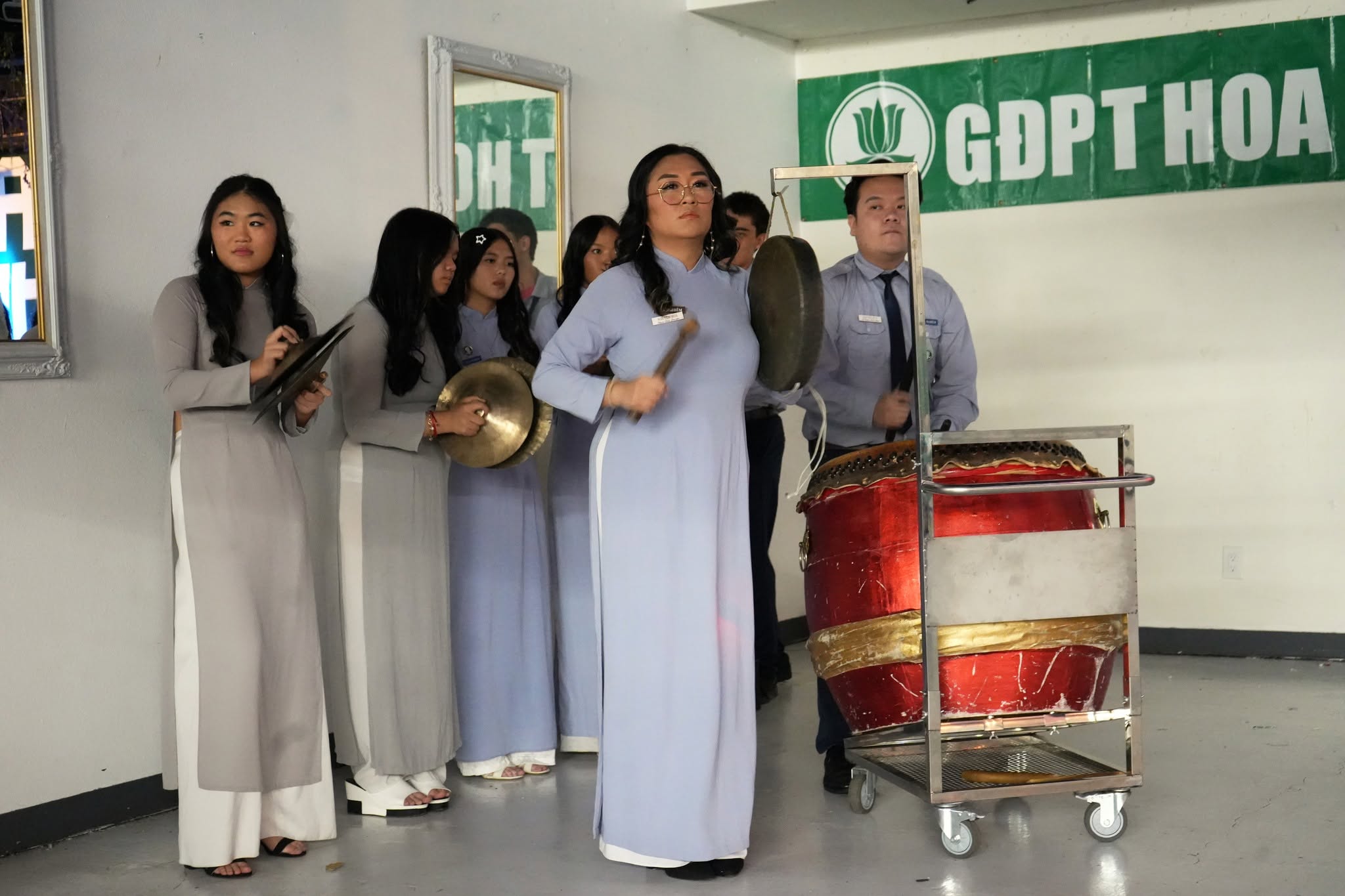
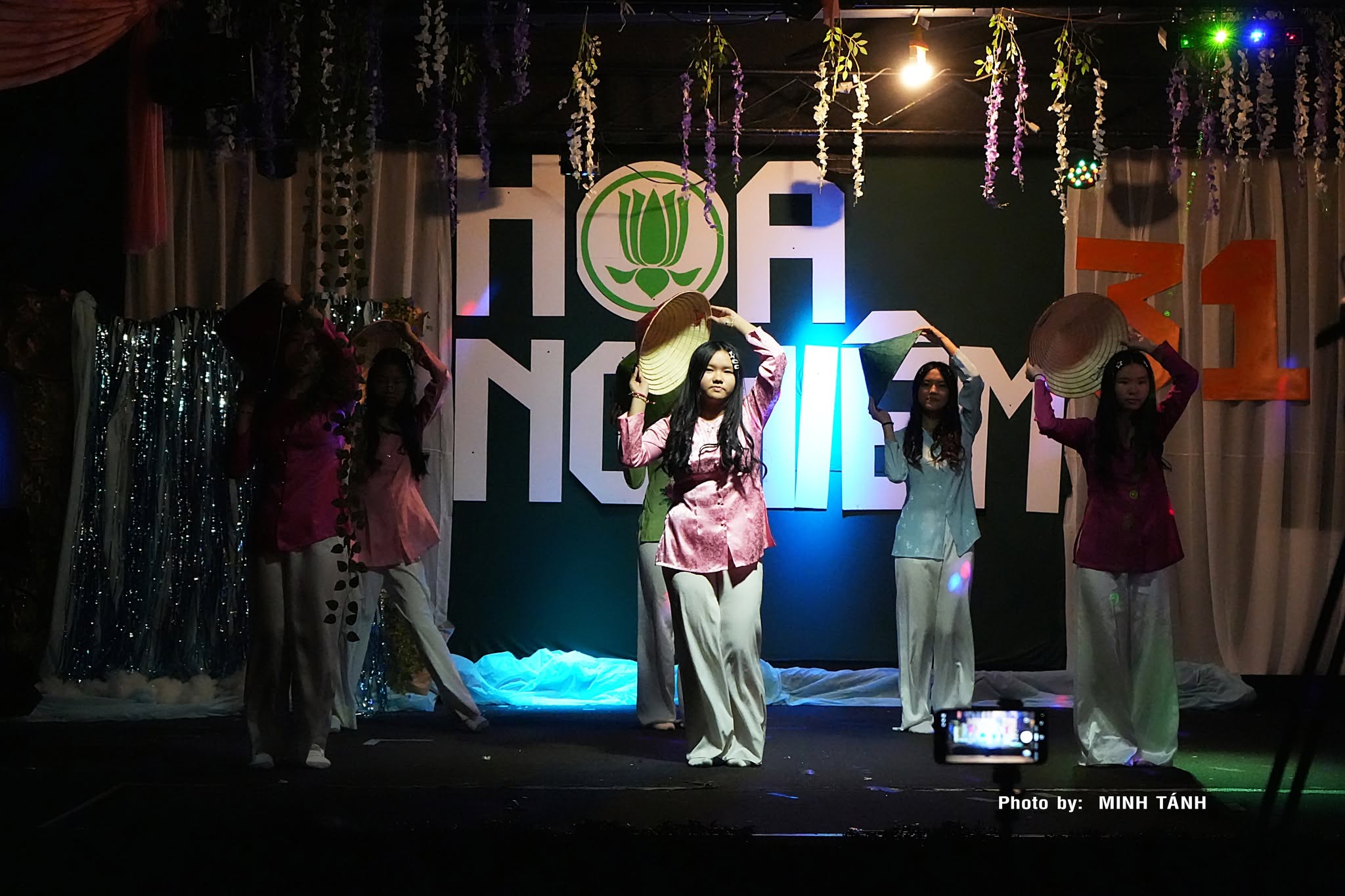
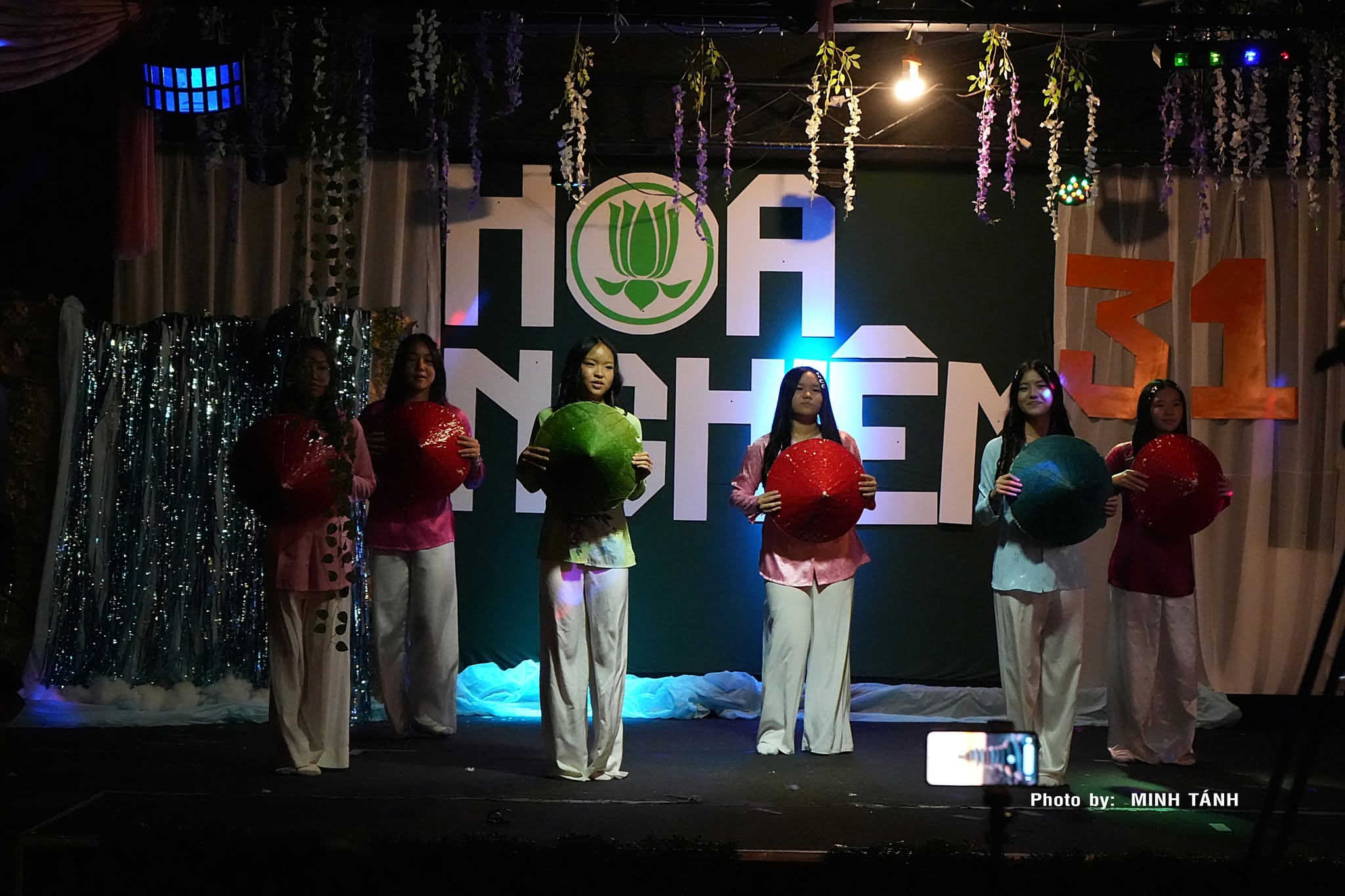
San Diego, ngày 22 tháng 11 năm 2026 — Trong những thước phim, hình ảnh của ngày Chu niên, anh chị em áo Lam đứng bên nhau trên sân khấu, bên con số 31. Với tất cả, đó là một ngày vui của Gia Đình. Với những anh chị đã đi cùng Hoa Nghiêm qua bao năm tháng, nhìn các em đứng ở đó hẳn còn có một niềm vui khác nữa.
Bao công sức dựng xây, củng cố và gìn giữ qua những giai đoạn thịnh suy đã tạo nên một nơi chốn để các em gặp nhau, lớn lên cùng nhau và đến lượt mình lại góp phần vào ngày vui chung.
Ba mươi mốt năm ghi dấu chặng đường Hoa Nghiêm đã đi qua. Để hiểu đơn vị đã trưởng thành thế nào, hãy nhìn vào những gì anh chị em đã học được trên từng chặng đường ấy. Có thời dựng xây, có thời phải quy tụ sức người để giữ nhịp sinh hoạt. Có những năm, việc đáng quý nhất là vẫn có người chuẩn bị cho buổi sinh hoạt tuần tới, vẫn có anh chị để ý khi một em vắng mặt, vẫn có người sẵn lòng san sẻ một phần việc để người đang gánh có thể đi tiếp. Chính những việc khó ghi vào bản lược sử ấy đã giữ cho lời hẹn với đoàn sinh được nối từ tuần này sang tuần khác.
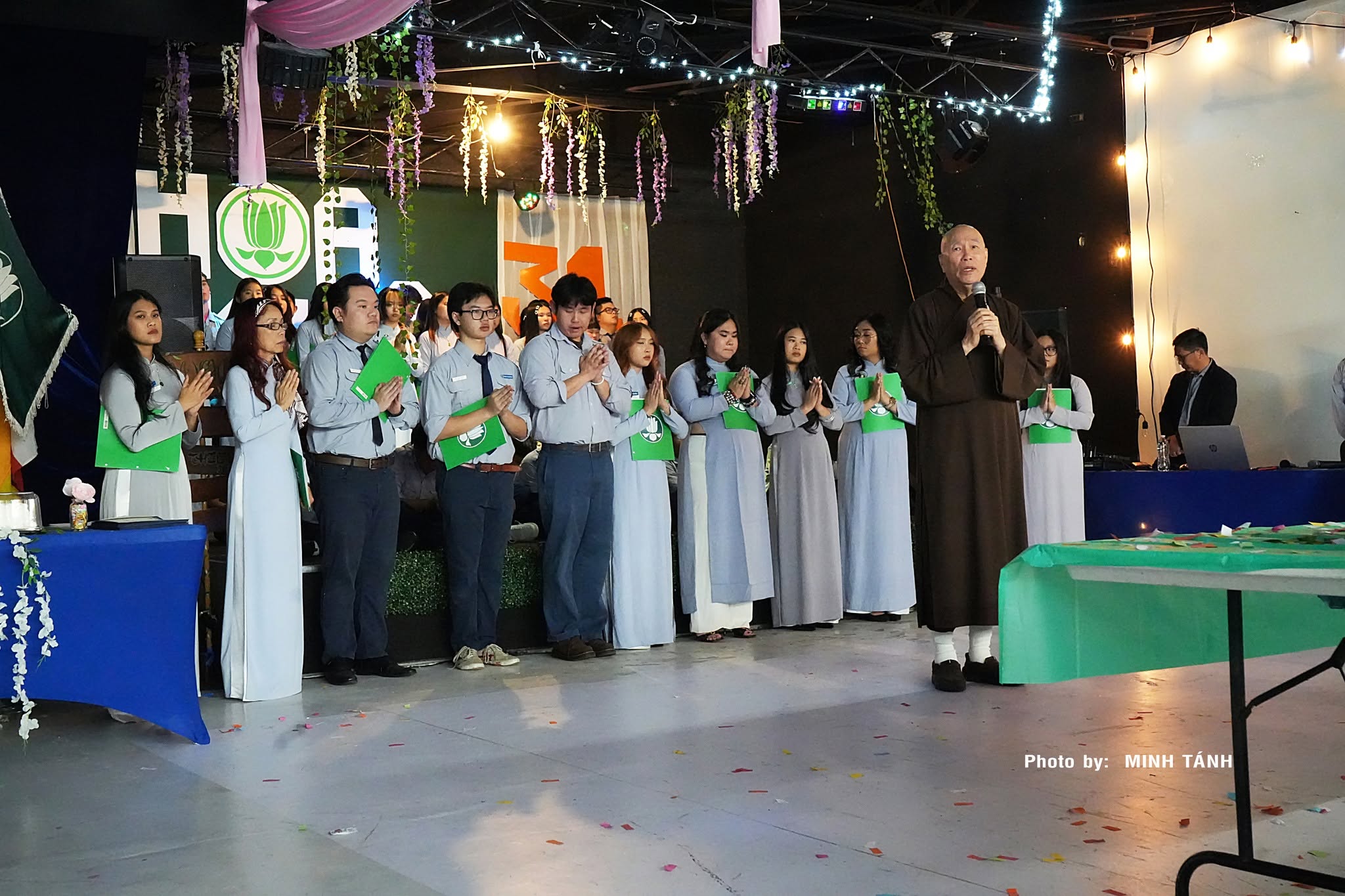
Nghi lễ Chu niên cho anh chị em một dịp dừng lại giữa nhịp sinh hoạt ấy. Trong sự trang nghiêm của buổi lễ, Hoa Nghiêm thành kính tri ân Chư Thầy Cô Giáo giới và quý vị Cố vấn Giáo hạnh đã dìu dắt đơn vị qua nhiều năm tháng. Những lời chỉ dạy và nhắc nhở ấy giúp anh chị em biết nương vào Phật pháp để nhìn lại mình, từ cách hướng dẫn một em đoàn sinh đến cách cùng nhau giải quyết những bất đồng trong Gia Đình. Lòng biết ơn cũng hướng về những người khai sáng, những anh chị đã nhận trách nhiệm vào lúc đơn vị cần người và những gia đình đã tin cậy gửi gắm con em mình.
Nhớ đến người đã dìu dắt mình cũng là dịp nhìn sang người đang đứng cạnh. Ai đang gánh một phần việc đã lâu? Ai đã sẵn lòng nhận việc mà còn cần người chỉ dẫn? Một đơn vị biết quý trọng công lao người đi trước cũng sẽ biết dành thì giờ để người đi sau học việc, có chỗ góp ý và có cơ hội tự mình đảm đương.
Khi nhắc đến ngày Chu niên, hai chữ về dự trong ca khúc Về Dự Chu Niên nghe thật thân tình. Người ta nói về khi biết ở đó có người mong mình đến, và khi mình cũng thấy có phần trong niềm vui của người đón mình. Sau tiếng hát là cả một tình nghĩa đã được vun bồi qua những lần các đơn vị tìm đến nhau. Có khi bàn tay đưa ra là một người sang phụ một buổi sinh hoạt, là kinh nghiệm được chia sẻ khi đơn vị bạn đang tìm cách củng cố hàng ngũ, hay chỉ là một lời hỏi thăm đến đúng lúc. Có lúc Hoa Nghiêm được nâng đỡ. Có lúc một đơn vị bạn cần chính bàn tay của Hoa Nghiêm. Niềm vui hôm nay có phần của những người từng nắm chặt tay nhau vào những ngày như thế.
Từ ngày vui ấy, câu hỏi Gia Đình Phật Tử đi về đâu? có thể bắt đầu từ một câu hỏi gần gũi hơn. Sau một buổi sinh hoạt, điều gì theo các em về nhà, đến trường và đi vào cách các em đối xử với bạn bè? Ở xứ sở này, các em lớn lên giữa nhiều ngôn ngữ, nhiều truyền thống và nhiều cách hiểu về đời sống. Một em có thể thuộc lời bài ca bằng tiếng Việt và cần đến tiếng Anh để nói hết điều mình nghĩ. Một em có thể giữ im lặng suốt giờ học rồi đặt một câu hỏi rất sâu khi được trò chuyện riêng. Những khác biệt ấy đòi hỏi người Huynh trưởng hiểu thêm về lứa tuổi mình hướng dẫn, biết nghe câu hỏi đến cùng và tìm được cách diễn đạt để Phật pháp chạm tới kinh nghiệm hằng ngày của các em.
Sự học của người Huynh trưởng vì thế còn tiếp tục sau mỗi khóa huấn luyện. Có điều anh chị học từ kinh nghiệm của một đơn vị bạn. Có điều chỉ nhận ra khi nghe một đoàn sinh kể vì sao em thấy khó tham gia. Cũng có lúc câu hỏi của các em khiến người dạy phải trở về với bài học mình đã giảng nhiều lần, đọc kỹ hơn và xét lại cách mình đang thực hành. Đó là chỗ sự học trở thành một lộ trình chuyển hóa. Người Huynh trưởng hiểu thêm về các em, đồng thời học cách điều phục sự nóng vội, thành kiến và cả thói quen cho rằng mình đã hiểu người đang đứng trước mặt.
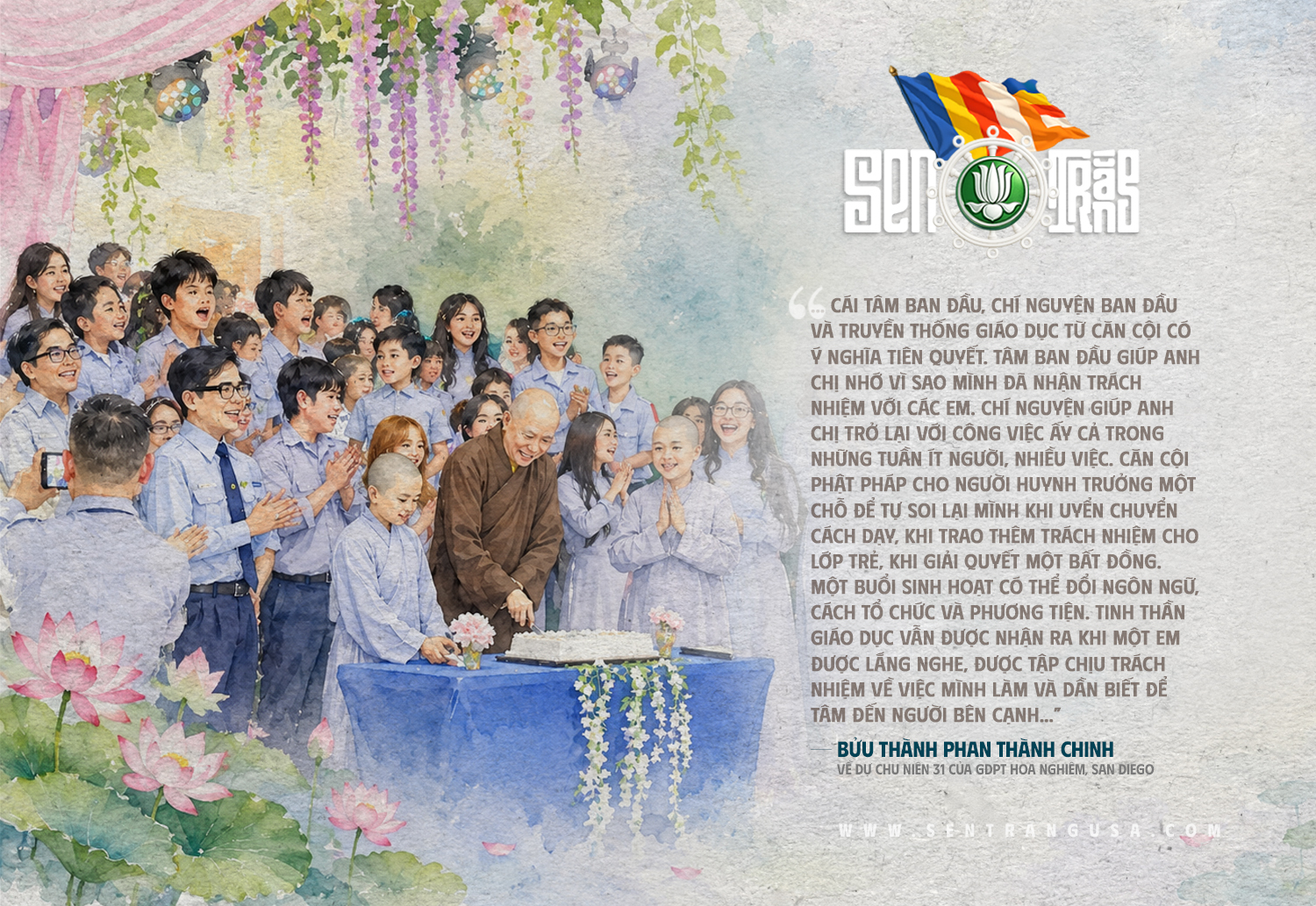
Cái tâm ban đầu, chí nguyện ban đầu và truyền thống giáo dục từ căn cội có ý nghĩa tiên quyết chính ở chỗ này. Tâm ban đầu giúp anh chị nhớ vì sao mình đã nhận trách nhiệm với các em. Chí nguyện giúp anh chị trở lại với công việc ấy cả trong những tuần ít người, nhiều việc. Căn cội Phật pháp cho người Huynh trưởng một chỗ để tự soi lại mình khi đổi cách dạy, khi trao thêm trách nhiệm cho lớp trẻ, khi giải quyết một bất đồng. Một buổi sinh hoạt có thể đổi ngôn ngữ, cách tổ chức và phương tiện. Tinh thần giáo dục vẫn được nhận ra khi một em được lắng nghe, được tập chịu trách nhiệm về việc mình làm và dần biết để tâm đến người bên cạnh.
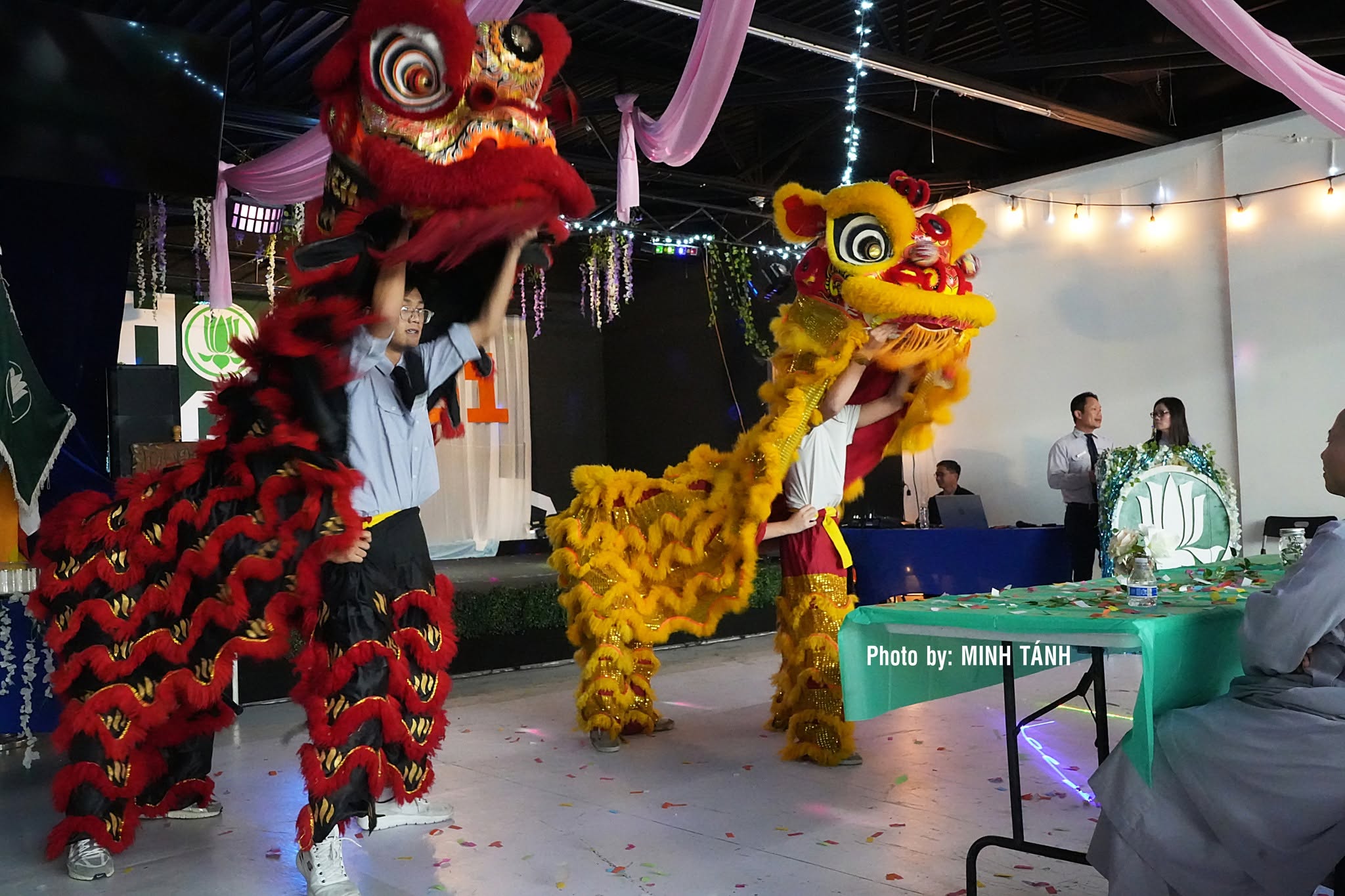
Bộ Ảnh Mừng Chu Niên GĐPT Hoa Nghiêm, San Diego – Năm thứ 31 – GĐPT Hoa Nghiêm
Bộ Ảnh Mừng Chu Niên GĐPT Hoa Nghiêm, San Diego – Năm thứ 31 – Minh Trí Nguyễn Hoàng Sơn Việt
Trưởng thành ở tuổi ba mươi mốt còn là biết trao đi những gì mình đã nhận. Khi một Huynh trưởng trẻ được tin cậy giao trọn một phần việc và có người cùng ngồi lại sau buổi sinh hoạt để nghe em kể điều đã làm được, điều còn lúng túng, đơn vị đang chuẩn bị cho những năm tới. Khi kinh nghiệm của Hoa Nghiêm giúp một đơn vị bạn qua một đoạn khó khăn, công sức gìn giữ của nhiều thế hệ lại có thêm nơi để tiếp nối. Đó cũng là cách tình Lam đi từ một lời chúc trong ngày lễ vào công việc thường ngày của cả Miền.
Trong niềm vui Chu niên lần thứ 31, Miền Quảng Đức trân trọng chúc mừng Gia Đình Phật Tử Hoa Nghiêm. Miền xin thành kính đảnh lễ và tri ân Chư Thầy Cô Giáo giới đã thương tưởng, chỉ dạy các thế hệ áo Lam, đồng thời trân trọng cảm ơn quý vị Cố vấn Giáo hạnh đã ân cần hướng dẫn anh chị em trong công việc giáo dục đoàn sinh. Xin ghi lòng công sức của quý anh chị đã vun bồi đơn vị qua các thời kỳ và cảm ơn quý phụ huynh đã đồng hành cùng các em. Kính chúc Hoa Nghiêm bền lòng với chí nguyện, thêm sức trong hàng ngũ và có thêm nhiều lớp đàn em vui nhận lấy phần việc của mình.
Rồi sân khấu sẽ được dọn, tấm phông có số 31 sẽ được cất đi. Xin cho tình thân của ngày Chu niên còn lại trong buổi sinh hoạt tuần tới, trong một lời hỏi thăm gửi đến đơn vị bạn trong Miền, trong một bàn tay đưa ra đúng lúc. Để lần tới, khi Về Dự Chu Niên vang lên ở một mái nhà Lam khác, Hoa Nghiêm lại có mặt và cùng anh chị em cất tiếng hát.
Thân thương lắm thay!
Phật lịch 2570 – Atlanta, GA 23.11.2026
BỬU THÀNH Phan Thành Chinh






COMING HOME FOR THE 31ST ANNIVERSARY
OF HOA NGHIEM BUDDHIST YOUTH ASSOCIATION
San Diego, November 22, 2026 — In the photographs and video footage of the anniversary celebration, members in their blue-gray uniforms stand together on stage beneath the number 31. For everyone, it is a joyful day for the Buddhist Youth Family. For those who have accompanied Hoa Nghiem through the years, seeing the younger generation standing there must bring an even deeper sense of joy.
The years of dedication spent building, strengthening, and preserving the unit through periods of growth and difficulty have created a place where successive generations can come together, grow alongside one another, and, in time, contribute to the shared joy of the community.
Thirty-one years tell us how long Hoa Nghiem has endured. But to understand how the unit has matured, we must look at what its members have learned along the way. There were years of building, and there were years when everyone had to gather their strength simply to sustain the rhythm of regular activities. In some years, the most meaningful achievement was that someone still prepared for the following week’s gathering, that a Leader noticed when a young member was absent, or that someone willingly shared a portion of the work so that those carrying the responsibility could continue. These are the things rarely recorded in an official history, yet they are what have sustained the promise made to the youth, week after week.
The anniversary ceremony offers everyone an opportunity to pause amid this ongoing rhythm of service. In the solemnity of the occasion, gratitude turns toward the founders, the Leaders who stepped forward when the unit needed them, and the families who entrusted their children to the care of the Association. Remembering those who came before us also invites us to look at those standing beside us. Who has been carrying a responsibility for many years? Who has willingly accepted a new assignment but still needs guidance and encouragement? A unit that honors the contributions of its predecessors will also make time for the next generation to learn, to receive guidance, to offer their perspectives, and to have opportunities to assume responsibilities of their own.
Perhaps this is why the words Coming Home in the song Về Dự Chu Niên (Coming Home for the Anniversary) sound so warm and familiar. We speak of coming home when we know there are people waiting for us, and when we, too, feel that we belong to the joy of those welcoming us. Behind that song is a bond of affection nurtured through countless occasions when fellow units have reached out to one another. Sometimes, the helping hand comes in the form of a Leader volunteering to assist with a weekly activity, experience shared when a neighboring unit is seeking to rebuild its leadership, or simply a timely word of encouragement. There have been times when Hoa Nghiem received such support. There will also be times when another unit needs the helping hand of Hoa Nghiem. The joy we celebrate today carries within it the contributions of those who have held one another’s hands through such moments.
At this point, the question, Where is the Vietnamese Buddhist Youth Association heading?, may begin with a more practical one. After a weekly gathering, what do the young members carry home with them, into their schools, and into the way they treat their friends? Here in the United States, our youth grow up amid different languages, traditions, and ways of understanding life. A young member may know the words of a Vietnamese song by heart, yet need English to fully express what is on their mind. Another may remain quiet throughout a lesson but raise profound questions in a private conversation. Such differences call upon Buddhist Youth Leaders to understand the age groups they guide, to listen patiently to the questions being asked, and to find ways of communicating so that the Dharma can become meaningful in the everyday experiences of the young.
The learning of a Buddhist Youth Leader therefore continues long after formal training courses have ended. Some lessons come from the experiences of neighboring units. Others emerge only when a Leader listens to a young member explain why participation has become difficult. At times, a question from the youth may lead a Leader back to a lesson taught many times before, prompting deeper study and a reassessment of one’s own practice. This is where the acquisition of knowledge becomes a journey of personal transformation. A Leader comes to understand the young more deeply while learning to temper impatience, overcome preconceived judgments, and let go of the assumption that one already understands the person standing before them.
The original aspiration, the initial vow of commitment, and the educational tradition rooted in our foundations are essential precisely for this reason. The original aspiration reminds Leaders why they first accepted the responsibility of guiding the youth. Their commitment enables them to return to that responsibility even during weeks when attendance is low and demands are many. The Buddhist foundation, meanwhile, provides a point of reflection whenever Leaders introduce new teaching methods, entrust greater responsibilities to younger members, or resolve disagreements. A weekly activity may change its language, format, and tools. Yet the spirit of Buddhist education remains recognizable whenever a young person is heard, is given the opportunity to take responsibility for their actions, and gradually learns to care for those around them.
To mature at thirty-one also means learning to give back what one has received. When a young Leader is entrusted with full responsibility for a particular assignment, and someone takes the time afterward to sit with that Leader, listen, and reflect together on the experience, the unit is preparing itself for the years ahead. When Hoa Nghiem’s accumulated experience can help another unit through a difficult period, the efforts of generations who have preserved the unit find new ground on which to continue. This, too, is how the spirit of Lam extends beyond words of congratulation at an anniversary celebration and becomes part of the everyday work of the entire Region.
On the occasion of Hoa Nghiem Buddhist Youth Association’s 31st Anniversary, the Quang Duc Region Board of Guidance extends its heartfelt congratulations to the entire Hoa Nghiem community. We express our gratitude to the Leaders who have nurtured the unit throughout its successive periods of development, and our appreciation to the parents who have supported and entrusted their children to the Association. May Hoa Nghiem remain steadfast in its original aspirations, continue to strengthen its leadership, and welcome many more generations of young members who will joyfully embrace their share of responsibility.
The stage will eventually be cleared, and the backdrop bearing the number 31 will be put away. But may the bonds of friendship and affection renewed on this anniversary remain alive in the next weekly gathering, in a message of concern sent to another unit within the Region, and in a helping hand extended at just the right moment. So that when Về Dự Chu Niên is sung again at another Buddhist Youth Family home, Hoa Nghiem will once more be there, joining everyone in raising its voice in song.
With heartfelt affection!
Buddhist Era 2570
Atlanta, Georgia — November 23, 2026
BỬU THÀNH – PHAN THÀNH CHINH